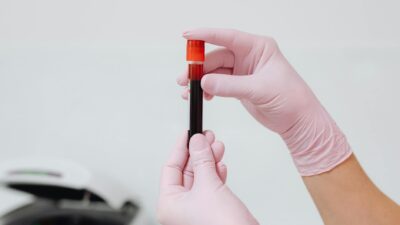
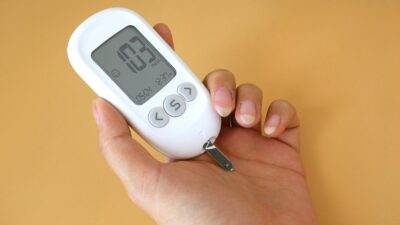
An A1C monitor is a compact device that measures your hemoglobin A1C from a small finger-prick blood sample, giving results in about five minutes. Used correctly, FDA-cleared home monitors typically match lab results within ±0.5 percentage points — accurate enough to track progress between doctor visits.
What an A1C Monitor Measures
An A1C monitor measures the percentage of your hemoglobin that has glucose attached to it. Because red blood cells live roughly 120 days, this percentage reflects your average blood glucose over the past 2-3 months. For an overview of result interpretation, see our guide to A1C levels.
Unlike a glucometer (which reads your glucose right now), A1C gives a rearview-mirror picture of control. That’s why testing weekly wouldn’t show meaningful change — A1C moves slowly by design.
How A1C Monitors Work
Most home monitors use a boronate affinity or immunoassay method on a tiny capillary sample. The basic workflow:
- Prick your fingertip with the included lancet.
- Collect a small drop of blood (usually 5-10 μL) onto a test cartridge.
- Insert the cartridge into the monitor.
- The monitor processes the sample and displays a percentage result in 5-10 minutes.
Different monitors use different chemistry, but the user experience is similar — capillary blood, single cartridge, digital readout.
Accuracy: How They Compare to a Lab
FDA clearance for home A1C monitors requires performance within specified limits of a reference lab assay. In published evaluations, results typically agree within ±0.5 percentage points for most samples. Factors that widen that gap include:
- Too small a blood drop, or smearing the sample
- Expired or improperly stored cartridges
- Hemoglobin variants (e.g., HbS, HbC) — check your device’s compatibility list
- Extreme temperatures during storage or testing
- Anemia or recent blood loss, which can shift results in either direction
For diagnosis of prediabetes or diabetes, the ADA still recommends an NGSP-certified lab A1C. Home monitors are best positioned as a between-visit check.
Key Features to Compare
| Feature | Why it matters |
|---|---|
| FDA clearance | Confirms independent performance testing |
| NGSP certification | Aligns result to the global A1C standard |
| Result time | Typical range is 5-10 minutes |
| Sample size | Smaller drops are easier for anyone with poor circulation |
| Cartridge cost | Ongoing cost often outweighs the device price |
| Storage requirements | Some cartridges need refrigeration |
| App connectivity | Useful for tracking trends over months |
How to Use an A1C Monitor Correctly
Minor user errors are the #1 cause of unreliable readings. Best practices:
- Wash and dry your hands thoroughly before the prick (no alcohol residue).
- Warm your hands — cold fingers bleed slowly, producing under-filled samples.
- Use the side of the fingertip, not the pad, to reduce soreness.
- Fill the cartridge on the first try — don’t “top off” with a second drop.
- Store cartridges per the package — sealed, at recommended temperatures.
- Record your result with the date so you can compare to your next lab value.
When to Test
Because A1C changes slowly, useful testing intervals are:
- Every 3 months if you’re actively working to lower A1C.
- Every 6 months if you’re in a stable range.
- Between lab visits if your doctor wants a midpoint check after a medication or lifestyle change.
Testing more frequently won’t show meaningful movement — the test’s biology doesn’t support it.
Who Benefits Most from a Home A1C Monitor
- People with prediabetes tracking lifestyle results
- Those recently started on metformin who want midpoint feedback
- People with irregular access to clinic visits
- Caregivers monitoring an older family member
If you’re just starting your journey, our prediabetes 101 hub walks you through the basics.
Limitations to Keep in Mind
Home monitors don’t replace:
- Lab-based diagnostic testing
- A fasting glucose or oral glucose tolerance test, which may be needed if A1C is unreliable
- Clinical judgment — an unexpected reading warrants a repeat test and a conversation with your doctor
The Bottom Line
An A1C monitor is a reasonable investment if you’re actively managing prediabetes and want more frequent feedback than quarterly lab visits allow. Pick an FDA-cleared, NGSP-certified device, follow the sampling steps exactly, and use it as a trend tool — not a substitute for clinical testing. When a result surprises you, confirm with a lab before making any major decisions.