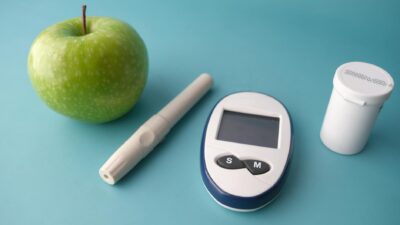
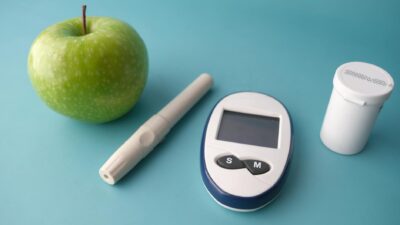
The best blood glucose meter is one that is FDA-accurate, uses affordable strips, and fits seamlessly into your daily testing routine. For most adults with prediabetes or diabetes, that means a meter with under 10% Mean Absolute Relative Difference in independent testing and test strips priced under 50 cents each.
What Makes a Glucose Meter Accurate?
The FDA accuracy standard for home-use meters requires that 95% of results fall within 15% of a lab reference, and 99% within 20%. Meeting this standard is legally required to sell in the US, but not all meters perform equally in real-world use.
The Diabetes Technology Society (DTS) Surveillance Program retests meters after FDA clearance. Only about half of tested meters consistently meet the 95/95 threshold. This matters because dosing decisions (especially insulin) depend on meter accuracy.
Top Meters in 2024
| Meter | DTS Pass | Approx MARD | Strip Cost (each) | Standout Feature |
|---|---|---|---|---|
| Contour Next One | Yes | 5.6% | $0.35-$1.00 | Second-chance sampling, Bluetooth |
| Accu-Chek Guide | Yes | 6.0% | $0.50-$1.15 | Spill-resistant strip vial |
| OneTouch Verio Reflect | Yes (most lots) | 6.3% | $0.45-$0.95 | ColorSure range indicator |
| FreeStyle Lite | Yes | 7.0% | $0.40-$0.90 | Small blood sample, no coding |
| ReliOn Premier | Yes | ~8% | $0.18 | Walmart exclusive, low cost |
How to Use a Blood Glucose Meter
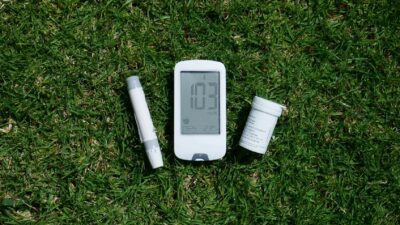
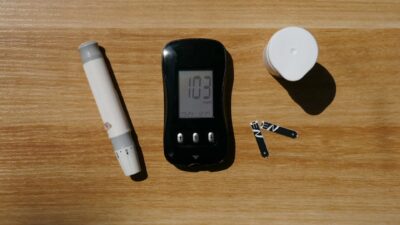
- Wash hands with warm water and dry thoroughly. Residue from fruit or lotion can inflate readings.
- Insert a strip into the meter; it will turn on automatically.
- Lance the side of a fingertip with a fresh lancet. Side-of-finger is less painful than pad.
- Apply blood to the strip. Most strips need only 0.3 to 0.6 microliters (a pinhead drop).
- Read the value in five to ten seconds. Log it in the app or a paper logbook.
To understand what the numbers mean across different testing situations, review A1C levels and how estimated average glucose connects daily fingersticks to long-term control.
Fingerstick vs Continuous Glucose Monitor
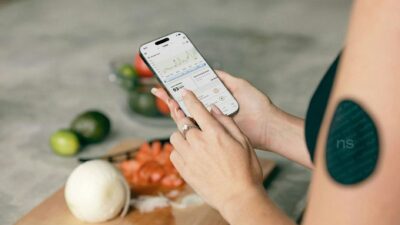
Fingerstick meters give a single, accurate point-in-time value. CGMs give trend data but lag blood by 5 to 15 minutes. Many people benefit from owning both: a CGM for pattern recognition and a meter to confirm CGM readings that seem off or to make urgent insulin-dosing decisions.
For a deeper look at continuous monitoring, see our broader prediabetes 101 hub.
How Often to Test
Testing frequency depends on your treatment:
- Type 1 diabetes: 4 to 10 times daily, often paired with CGM
- Type 2 on insulin: 2 to 4 times daily
- Type 2 on oral meds: 1 to 2 times daily or per provider guidance
- Prediabetes: Fingersticks are rarely needed outside screening; A1C every 6 to 12 months is usually sufficient
According to the ADA, structured testing around meals and before bed is more useful than random checks for identifying patterns.
Cost Over Time
A meter that is free with rebate but uses dollar-apiece strips can cost more than a premium meter with cheaper strips. If you test four times daily, the ReliOn Premier costs roughly $260 per year in strips; Accu-Chek Guide can reach $1,400 per year at retail.
Ask your pharmacist about generic or store-brand strips that work with your meter, and compare 90-day mail-order prices.
Common Errors That Skew Readings
- Dirty or wet hands (false highs from residue, false lows from dilution)
- Expired strips or strips exposed to humidity
- Extreme temperatures (below 50 F or above 104 F)
- Insufficient blood sample (meter may error or under-read)
- Using control solution past its three-month opened shelf life
The Bottom Line
The best blood glucose meter is accurate, affordable over years of use, and easy to operate under real conditions. Contour Next One and Accu-Chek Guide lead independent accuracy testing, while ReliOn Premier wins on cost. Match the meter to your testing frequency, insurance formulary, and doctor’s recommendation before buying in bulk.
This article is educational and not medical advice. Consult your healthcare provider to choose a blood glucose meter appropriate for your situation.