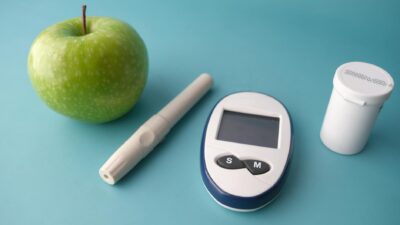
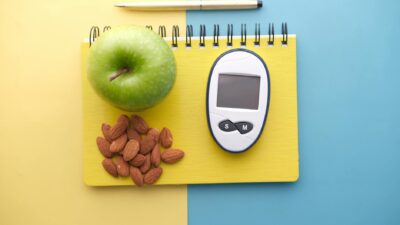
How to lower fasting blood sugar comes down to what you do the evening before and over the long term. Fasting glucose is measured after at least 8 hours without food and reflects overnight glucose control. Evening meals, alcohol, activity, sleep, stress, and weight all influence the number you see on the meter in the morning.
What Fasting Blood Sugar Actually Measures
Fasting blood sugar tests the amount of glucose in your blood after the overnight fast. Your body is relying on liver-released glucose during this window, not food. A healthy pancreas releases just enough insulin to keep fasting glucose in a narrow range. When insulin function is impaired by insulin resistance, fasting glucose drifts upward.
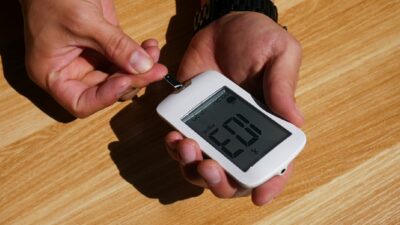
The American Diabetes Association defines normal fasting plasma glucose as below 100 mg/dL, prediabetes as 100 to 125 mg/dL, and diabetes as 126 mg/dL or higher confirmed on two separate tests. Home meters produce similar numbers but with small day-to-day variation, which is normal.
Why Morning Readings Can Be Surprisingly High
Two well-documented patterns explain morning glucose that seems out of proportion to the previous day. The dawn phenomenon is a natural pre-waking surge in hormones like cortisol, growth hormone, and glucagon. These hormones prompt the liver to release glucose to get you ready for the day. For most people this is smooth. In people with insulin resistance or diabetes, the surge can push fasting glucose noticeably higher.
The Somogyi effect is a rebound high glucose after an overnight low, more common in people taking insulin or sulfonylureas. Distinguishing the two requires either a continuous glucose monitor or a middle-of-the-night fingerstick, typically arranged with a clinician.
Evening Habits That Influence Morning Numbers
| Evening Factor | Likely Effect on Fasting Glucose | What Helps |
|---|---|---|
| Late, carb-heavy dinner | Higher overnight glucose | Earlier meals, more protein and fiber |
| Alcohol, especially sugary drinks | Can raise or lower, depending on amount | Limit, and avoid drinking on an empty stomach |
| Sedentary evening | Higher muscle glucose stores stay unused | 15 to 30 minute walk after dinner |
| Poor or short sleep | Higher cortisol, more insulin resistance | Aim for 7 to 9 hours of consistent sleep |
| Late-night snacking | Keeps glucose elevated into fasting window | Cut off eating 2 to 3 hours before bed |
Evidence-Based Strategies to Lower Fasting Glucose
Research from the NIH-funded Diabetes Prevention Program shows that modest weight loss of 5 to 7 percent and at least 150 minutes per week of moderate activity reduced the risk of progression from prediabetes to type 2 diabetes by 58 percent. These same habits tend to bring fasting glucose down over weeks to months.
- Walk after dinner. A 15 to 30 minute walk after the evening meal uses muscle glucose and helps flatten the post-meal peak that otherwise lingers overnight.
- Shift the dinner plate. Build meals around non-starchy vegetables, lean protein, and modest servings of whole grains. Diet and nutrition changes that reduce refined carbs at night tend to produce the clearest morning improvements.
- Prioritize sleep. Sleeping fewer than 6 hours has been associated with increased insulin resistance in controlled studies. Consistent bedtimes help stabilize cortisol rhythms.
- Lose weight gradually. A 5 to 7 percent loss is often enough to lower fasting glucose significantly, according to DPP data.
- Manage stress. Chronic stress raises cortisol, which raises fasting glucose. Short daily practices like breathing exercises or walking have measurable effects on glucose variability.
What the Research Says About Specific Foods and Drinks
Some evening choices have stronger evidence than others. Eating protein and fiber with any carbohydrate typically blunts the post-meal spike. A small evening snack that pairs protein with complex carbs may help a minority of users who run overnight lows and rebound high. Alcohol is complicated: moderate amounts can lower fasting glucose temporarily, but sugary mixers and larger quantities tend to raise it.
Cinnamon, apple cider vinegar, and various supplements are popular wellness-world answers. Evidence is mixed and generally weaker than evidence for walking after meals or reducing refined carbs. Always tell your clinician about any supplement, particularly if you take diabetes medications.
When to See a Clinician
If your fasting blood sugar is consistently 100 mg/dL or higher, that is a reason to talk with a clinician about formal testing. Two fasting glucose measurements at 126 mg/dL or higher, or an A1C of 6.5 percent or higher, meet the ADA diagnostic threshold for diabetes. New symptoms like frequent urination, unusual thirst, fatigue, or unexplained weight loss deserve prompt evaluation.
For those already diagnosed with prediabetes, your clinician may discuss structured treatment options that pair lifestyle change with periodic monitoring.
The Bottom Line
How to lower fasting blood sugar is less about a single trick and more about the accumulation of evening and long-term habits. Balanced dinners, movement after meals, steady sleep, and modest weight loss produce the clearest gains. Persistent or rising fasting glucose should prompt a conversation with a clinician, not a new supplement from the internet.
Medical disclaimer: This article is for educational purposes only and does not replace medical advice. Always consult a qualified healthcare provider for diagnosis or treatment decisions.