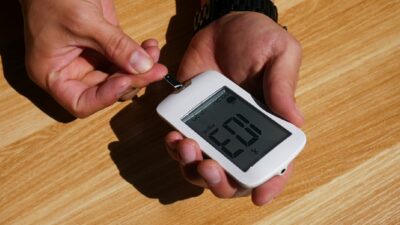
The Lingo continuous glucose monitor is Abbott’s over-the-counter CGM designed for adults without diabetes. It is a 14-day biosensor that sits on the back of the upper arm, measures glucose in interstitial fluid every minute, and shows trends in a companion app. Lingo is FDA-cleared for consumer wellness use and is not a diagnostic or treatment device.
What Lingo Is (And What It Is Not)
Lingo uses the same underlying biosensor technology as Abbott’s medical-grade FreeStyle Libre CGMs. The key difference is the intended user. Lingo is cleared for adults without diabetes who want visibility into their metabolic response to meals, workouts, stress, and sleep. Medical CGMs like FreeStyle Libre 3 Plus or Dexcom G7 are prescription devices cleared for treatment decisions by people with diabetes.
In practical terms, this means Lingo data is appropriate for lifestyle awareness. It is not appropriate for adjusting insulin, diagnosing prediabetes, or managing a diabetes diagnosis. Those require medical testing interpreted by a clinician, such as an A1C test or fasting plasma glucose.
How Lingo Works
The sensor is applied using a single-use applicator that inserts a thin filament under the skin on the back of the upper arm. Once active, the sensor reads interstitial glucose every minute and sends data via Bluetooth to the Lingo app on a paired smartphone. The app translates readings into graphs, highlights spikes, and calculates a daily “Lingo Count” score intended as a simplified metric of glucose variability.
Each Lingo sensor lasts about 14 days, then is removed and replaced. There is no finger-stick calibration step. The sensor is water-resistant for showering and swimming within the manufacturer’s limits. Alerts in the app can notify you of rapid rises or drops, but the device does not predict hypoglycemia for people with diabetes.
Lingo vs. Medical-Grade CGMs
| Feature | Lingo | Dexcom G7 / FreeStyle Libre 3 Plus |
|---|---|---|
| Intended user | Adults without diabetes | People with diabetes (all types) |
| Prescription required | No | Yes |
| Wear time | About 14 days | 10 to 15 days depending on model |
| Treatment decisions | Not cleared for treatment | Cleared for insulin dosing with care team |
| Insurance coverage | Typically out-of-pocket | Often covered for diabetes |
Accuracy Considerations
Because Lingo measures interstitial fluid rather than blood, readings can lag actual blood glucose by several minutes, especially during rapid changes such as the first 15 minutes after a carb-heavy meal or during vigorous exercise. This lag is inherent to all CGMs, not unique to Lingo.
For wellness trend tracking, Lingo’s accuracy is adequate for spotting patterns. It is not a substitute for medical-grade testing. If a Lingo reading concerns you, confirm with a finger-stick meter or contact a clinician for an appropriate blood test.
Who Might Benefit From Lingo
Lingo is marketed to adults who are curious about their metabolic health, want to test how specific foods or activities affect their glucose, or who are trying to improve their overall well-being. People with a family history of type 2 diabetes, those working on weight goals, or anyone interested in personalized nutrition experiments may find the real-time feedback useful.
Data from Lingo can complement diet and nutrition changes by making the effect of specific meals visible. For example, seeing a steep post-meal rise after white rice might support a choice to pair it with protein and vegetables next time. That kind of iterative learning is central to how people make sustainable changes when working on reversing prediabetes, though Lingo itself is not a diagnostic or treatment tool.
Limitations and Red Flags
Lingo is not intended for children, pregnant users, or anyone with diabetes according to its FDA-cleared labeling. Skin irritation at the sensor site is possible, and sensors occasionally fall off early. Abbott has replacement policies for defective sensors.
If Lingo consistently shows values that suggest diabetes (for example, sustained fasting readings above 125 mg/dL), that is a reason to contact your clinician for diagnostic testing, not a reason to self-diagnose. CGM readings alone, especially from a wellness-tier device, are not sufficient for a diabetes diagnosis.
Getting the Most Out of Lingo
To make Lingo data useful rather than overwhelming, many users pick one or two behaviors to experiment with each week. That might mean logging breakfast choices for seven days to identify which meals cause large spikes, or comparing glucose responses to morning versus evening walks. Keep expectations realistic: glucose variability is influenced by many factors, including sleep, stress, illness, and menstrual cycles.
The Bottom Line
The Lingo continuous glucose monitor is a consumer CGM designed to give adults without diabetes insight into their glucose patterns. It is FDA-cleared for wellness use, not for diagnosis or treatment. Used thoughtfully, it can inform lifestyle experiments; used carelessly, it can fuel anxiety about normal glucose fluctuations. If Lingo data concerns you or you have diabetes, work with a licensed clinician and use medical-grade tools.
Medical disclaimer: This article is for educational purposes only and does not replace medical advice. Always consult a qualified healthcare provider for diagnosis or treatment decisions.