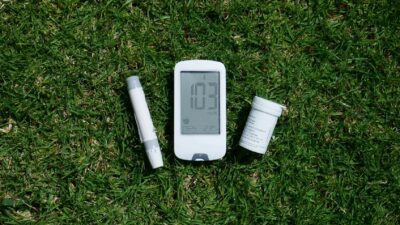
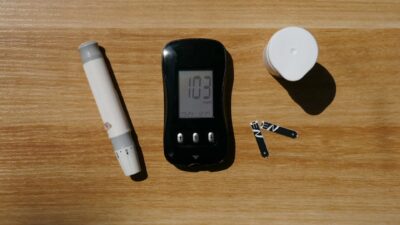
The cheapest CGM for non diabetics in 2024 is Dexcom Stelo, which retails at approximately $49 per 15-day sensor, or about $99 for a two-sensor 30-day supply. Abbott Lingo is priced nearly identically. Both are available over the counter without a prescription.
Why CGMs Got Cheaper for Non-Diabetics
Until March 2024, continuous glucose monitors required a prescription in the United States, limiting most non-diabetics to cash prices exceeding $300 per month. The FDA’s first OTC CGM clearance opened a new consumer category that drove prices down significantly, with both Dexcom Stelo and Abbott Lingo launching at roughly half the old prescription cost.
Cheapest OTC CGM Options
| Product | Per Sensor | Monthly (2 sensors) | Daily Cost | Sensor Life |
|---|---|---|---|---|
| Dexcom Stelo | $49 | $99 | ~$3.30 | 15 days |
| Abbott Lingo | $49 | $89 | ~$3.20 | 14 days |
| Levels (with Libre) | $199/month | $199 | ~$6.60 | 14 days |
| Dexcom G7 (cash) | $125 | $375 | ~$12.50 | 10 days |
| Freestyle Libre 3 (cash) | $75 | $150 | ~$5.00 | 14 days |
Dexcom Stelo in Detail
Stelo is designed for adults 18 and older who do not use insulin. It uses the same sensing hardware as the prescription G7 but with a simpler app and deliberately slower 15-minute reporting intervals. The sensor sits on the back of the upper arm for 15 days and is waterproof during showers and swimming.
Stelo does not include urgent-low alarms, which is fine for non-diabetics but makes it unsuitable for anyone at risk of hypoglycemia.
Abbott Lingo in Detail
Lingo is Abbott’s first consumer-focused CGM, based on the Freestyle Libre 3 sensor. It updates every minute rather than every 15 minutes, which gives finer resolution on post-meal spikes. The Lingo app frames data around a “Lingo Count” lifestyle score rather than raw glucose alerts.
Lingo is particularly popular among athletes and biohackers tracking exercise fuel responses. It is available direct from Abbott and through select pharmacies.
When a Non-Diabetic Should Consider a CGM
- Family history of type 2 diabetes and a desire to act early
- Weight-loss efforts where understanding glucose spikes can guide food choices
- Chronic fatigue after meals suggesting reactive hypoglycemia
- Athletic performance optimization, especially endurance sports
- General metabolic curiosity as a one-time learning experience
If you are exploring CGM because you suspect prediabetes, pair the data with an A1C test. Our A1C levels guide explains what values mean alongside real-time glucose data.
Can Insurance Ever Cover a CGM for Non-Diabetics?
Rarely. Most insurance requires a diabetes diagnosis and insulin use or documented hypoglycemia. A few flexible plans allow HSA or FSA reimbursement for OTC CGMs if prescribed for metabolic health. Check with your plan administrator. Subscription services like Levels and NutriSense sometimes qualify for FSA reimbursement with a letter of medical necessity.
Interpreting Data as a Non-Diabetic
Target ranges in non-diabetics are tighter than in people with diabetes:
- Fasting glucose: 70-99 mg/dL
- One to two hours after meals: typically under 140 mg/dL
- Average 24-hour glucose: ideally 90-110 mg/dL
- Glucose variability (standard deviation): under 15 mg/dL is excellent
If you consistently exceed these ranges, discuss with your physician. For background on what sustained elevations mean, see our prediabetes 101 hub.
Avoiding CGM Obsession
Some non-diabetics develop anxiety around glucose readings that are well within normal physiological ranges. A spike to 145 mg/dL after a banana is not dangerous. The goal is pattern recognition over days and weeks, not minute-by-minute monitoring. Most people benefit from a finite learning period rather than permanent use.
The Bottom Line
The cheapest CGM for non diabetics is Dexcom Stelo or Abbott Lingo at approximately $3 per day of wear. Both offer medical-grade sensor hardware with consumer-friendly apps. Use two to four weeks of data to identify personal glucose patterns, then partner with your clinician to translate insights into lasting dietary and lifestyle changes.
This article is educational and not medical advice. Consult your healthcare provider before making treatment decisions based on consumer CGM data.