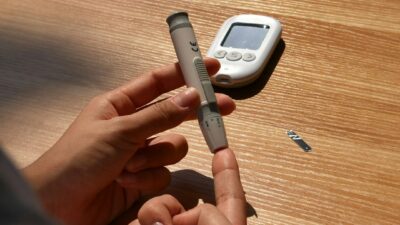
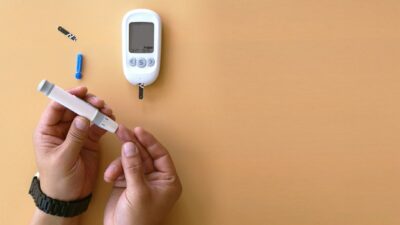
A beta hydroxybutyrate test measures beta-hydroxybutyrate (BHB), the main ketone your body makes when it does not have enough insulin and burns fat for fuel. It is done on a blood sample, either in a lab or with a fingerstick ketone meter. Results are reported in mmol/L, and high levels can be a sign of diabetic ketoacidosis (DKA).
Go to the emergency room now if your blood ketones are 3.0 mmol/L or higher, or if you have raised ketones along with vomiting, belly pain, fruity-smelling breath, fast or deep breathing, confusion or extreme sleepiness. These can be signs of DKA, which is life-threatening. Call 911 if the person is confused, very drowsy or hard to wake. DKA can happen even when blood sugar is not very high, especially in people taking SGLT2 inhibitors.
What Beta-Hydroxybutyrate Is
When insulin is too low, your cells cannot use glucose well. The liver breaks down fat instead and releases ketones into the blood. There are three ketone bodies: beta-hydroxybutyrate, acetoacetate and acetone. According to the 2024 hyperglycemic crises consensus report from the American Diabetes Association and partner groups, BHB is the main ketoacid produced in DKA.
Small amounts of ketones are normal, for example after an overnight fast. Large amounts make the blood acidic, which is what makes DKA dangerous. Learn more in our guide to what ketones are.
Lab Test vs Fingerstick Meter
There are two common ways to measure BHB:
- Serum or plasma BHB (lab test). Blood is drawn from a vein and analyzed in a hospital or commercial lab. It is often ordered in the emergency department or hospital to diagnose DKA and to track treatment.
- Capillary BHB (fingerstick meter). A blood ketone meter uses a drop of blood from your fingertip on a ketone test strip. Results appear in seconds.
The consensus report notes that BHB can be measured in lab serum samples or with handheld point-of-care meters, with similar precision. Home testing lets you spot rising ketones early, before you feel very sick.
What Blood Ketone Results Usually Mean
Thresholds vary between meter makers, labs and care plans, so use the plan your diabetes team gives you and the reference range printed on your lab report. The table shows ranges commonly used for home meter readings.
| Blood BHB (mmol/L) | About (mg/dL) | What it usually means | Typical action |
|---|---|---|---|
| Under 0.6 | Under 6 | Normal | Follow your usual plan |
| 0.6 to 1.5 | 6 to 16 | Raised | Recheck soon and follow your sick-day plan |
| 1.5 to 3.0 | 16 to 31 | High; risk of DKA | Contact your care team now |
| 3.0 or higher | 31 or higher | Consistent with DKA | Go to the emergency room |
To convert, 1 mmol/L of BHB is about 10.4 mg/dL. Hospital lab reference ranges for serum BHB are often a little lower than the meter “normal” cutoff, which is another reason to read your own report’s range.
How DKA is diagnosed
According to the 2024 consensus report, DKA is diagnosed when three things are present:
- Glucose of 200 mg/dL (11.1 mmol/L) or higher, or a known history of diabetes regardless of the glucose level
- Ketones, with blood BHB of 3.0 mmol/L or more (or urine ketones of 2+ or more)
- Acidosis, shown by a blood pH below 7.3 and/or bicarbonate below 18 mmol/L
The report says BHB levels of 3.0 mmol/L or more correlate well with acid changes in the blood. Still, one number does not make the diagnosis. Doctors combine BHB with glucose, blood gases and electrolytes.
Why Blood BHB Is Preferred Over Urine Ketones
Urine ketone strips use a chemical reaction (nitroprusside) that detects acetoacetate, not BHB. The consensus report explains that relying on urine tests can underestimate ketones early in DKA and overestimate them later, when BHB is being converted to acetoacetate during recovery. Some medicines, such as captopril and valproate, can also cause false-positive urine results.
For these reasons, the report recommends direct measurement of venous or capillary BHB for diagnosing DKA and monitoring treatment. Urine testing still has a place at home, and our guide to ketones in urine explains how to read strips.
When to Check Your Blood Ketones
Your care team will tell you when to test. Common triggers in diabetes care plans include:
- Blood glucose that stays high. Many plans use over 240 mg/dL (13.3 mmol/L); the CDC says to check ketones at 250 mg/dL (13.9 mmol/L) or above
- Feeling sick, with nausea, vomiting, belly pain or fever
- An insulin pump problem, such as a blocked or kinked infusion set
- Taking an SGLT2 inhibitor and feeling unwell, even if glucose looks normal
- Illness, surgery or a period of not eating
The CDC also says to go to the emergency room or call 911 if your blood sugar stays at 300 mg/dL (16.7 mmol/L) or above, your breath smells fruity, you are vomiting and cannot keep food or drinks down, or you are having trouble breathing.
The sick-day rules for diabetes page covers what to do while you are ill. Never stop basal insulin on your own, and never exercise when ketones are raised, because exercise can push ketones higher.
Causes of a High BHB Result
The most important cause is not having enough insulin. Common triggers of DKA include missed insulin doses, pump failure, infections such as pneumonia or urinary tract infections, heart attack or stroke, pancreatitis, pregnancy, some medicines like corticosteroids, and alcohol or drug misuse. DKA is most common in type 1 diabetes but can happen in type 2, and it can be the first sign of diabetes.
Raised ketones are not always DKA. According to MedlinePlus, a positive ketone blood test can also come from starvation, a low-carbohydrate diet or SGLT2 inhibitor medicines. The consensus report lists other causes to consider:
- Starvation ketosis from very low food intake or prolonged fasting
- Very low-carbohydrate or ketogenic diets, which raise ketones on purpose
- Alcoholic ketoacidosis in people with heavy alcohol use
- Ketosis of pregnancy and severe pregnancy vomiting
Euglycemic DKA
DKA can occur with blood sugar below 200 mg/dL (11.1 mmol/L). This is called euglycemic DKA. The consensus report says SGLT2 inhibitor use now accounts for the majority of these cases, and that fasting, very low-carb diets, dehydration and heavy drinking raise the risk. If you take an SGLT2 inhibitor and feel ill, check ketones even if your glucose looks fine. See our page on euglycemic DKA.
Does BHB Matter if You Have Prediabetes?
Most people with prediabetes do not need ketone testing. Prediabetes means glucose is above normal but below the diabetes range, and DKA is rare without diabetes. If you are following a ketogenic diet, a mildly raised BHB is expected. Talk with your clinician before starting a very low-carb diet if you take diabetes medicine, especially an SGLT2 inhibitor. Our prediabetes overview explains how prediabetes is diagnosed.
The Bottom Line
The beta hydroxybutyrate test measures the main ketone in your blood and is the preferred way to check for DKA. Results under 0.6 mmol/L are usually normal, while 3.0 mmol/L or higher is consistent with DKA and needs emergency care. Ranges vary by lab and meter, so read your report’s reference range and follow your care team’s ketone plan. Seek help right away for high ketones with vomiting, belly pain, fast breathing or confusion.