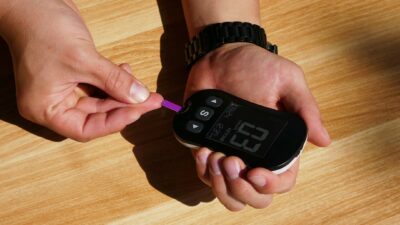
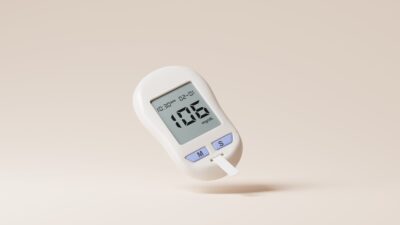
Blood sugar of 130 mg/dL sits in a tricky zone. Fasting, it is above the diabetes threshold of 126 mg/dL — one such reading is suggestive of diabetes but not diagnostic by itself. After a meal, especially at the two-hour mark, 130 is borderline normal. Context determines whether this number prompts urgent follow-up or simply a routine recheck.
What 130 mg/dL Means by Context
| Context | Category at 130 mg/dL | Concern Level |
|---|---|---|
| Fasting (8+ hours no food) | Above diabetes threshold | High — confirm with repeat test or A1C |
| 1 hour after meal | Normal to borderline | Low if isolated |
| 2 hours after meal (OGTT) | Normal (under 140) | None |
| Random / no meal context | Normal | None |
| Bedtime | Slightly elevated | Low |
The Diagnostic Lines
- Fasting normal: below 100 mg/dL
- Impaired fasting glucose (prediabetes): 100 to 125 mg/dL
- Diabetes (fasting): 126 mg/dL or higher — 130 falls here
- 2-hour OGTT normal: below 140 mg/dL — 130 is in this zone
- 2-hour OGTT diabetes: 200 mg/dL or higher
- A1C diabetes: 6.5 percent or higher
Equivalent A1C If Average Glucose Stays at 130
| Average glucose (mg/dL) | Estimated A1C (%) | Category |
|---|---|---|
| 120 | 5.8 | Prediabetes |
| 130 | 6.2 | Prediabetes (upper) |
| 140 | 6.5 | Diabetes (lower bound) |
| 154 | 7.0 | Diabetes (treatment target zone) |
Why Fasting Glucose May Hit 130
- Established insulin resistance: liver releases glucose overnight despite normal insulin signaling
- Beta-cell dysfunction: pancreas not keeping up with insulin demand
- Untreated or undiagnosed type 2 diabetes
- Recent corticosteroid use (prednisone, dexamethasone)
- Acute infection or major stress — stress hyperglycemia can transiently raise fasting glucose
- Dawn phenomenon superimposed on prediabetes
- LADA (latent autoimmune diabetes in adults) — uncommon but possible
Action by Context
| Situation | Recommended Next Step |
|---|---|
| No diabetes diagnosis; one fasting at 130 | Repeat fasting + A1C within 1 to 2 weeks |
| Two fasting readings 126+ | Type 2 diabetes diagnosis; start treatment plan |
| Known type 2 on meds; fasting 130 | Slightly above target — review with doctor |
| Known type 1; fasting 130 | Mildly elevated — no immediate concern |
| Pregnant; fasting 130 | Above gestational thresholds — urgent OB review |
Confirming the Diagnosis
One reading of 130 mg/dL fasting does not establish diabetes. The American Diabetes Association requires:
- Two fasting plasma glucose readings of 126 mg/dL or higher, or
- An A1C of 6.5 percent or higher on two tests, or
- A 2-hour OGTT of 200 mg/dL or higher, or
- A random glucose of 200 mg/dL or higher with classic symptoms (polyuria, polydipsia, unintentional weight loss)
What to Do This Week
- Contact your primary care doctor — ask for A1C and a repeat fasting glucose
- Review medications — corticosteroids, thiazide diuretics, and some antipsychotics elevate glucose
- Begin lifestyle interventions: walking after meals, reducing refined carbs, sugary drinks, alcohol
- Track fasting glucose for 5 to 7 mornings if you have a home meter
- Note any symptoms — frequent urination, increased thirst, fatigue, blurred vision, weight loss
Emergency Thresholds (For Reference)
Blood sugar of 130 is not an emergency. Thresholds that warrant urgent care:
- Above 240 mg/dL with ketones (type 1) — call doctor
- Above 300 mg/dL — urgent contact
- Above 400 mg/dL with vomiting, confusion, or rapid breathing — emergency room
Adjacent Values
- 110 mg/dL: mid-range prediabetes fasting
- 120 mg/dL: upper prediabetes fasting
- 130 mg/dL: just above diabetes fasting threshold
- 150 mg/dL: clearly elevated fasting
Related Reading
See detection of prediabetes, treatment options, and adjacent lookups blood sugar 110 and blood sugar 150. The matching A1C page is A1C 6.6.
The Bottom Line
Blood sugar of 130 mg/dL fasting is above the diabetes threshold and warrants prompt follow-up — a repeat fasting test, an A1C, or an OGTT. After a meal, 130 is borderline normal. Lifestyle changes still help meaningfully at this stage, and many people can avoid medication if action is taken early. Talk to your doctor about confirming the diagnosis and building a plan.