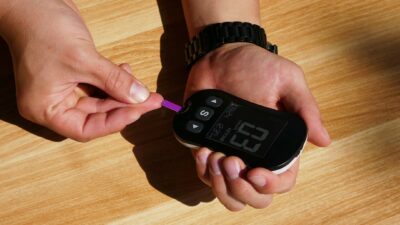
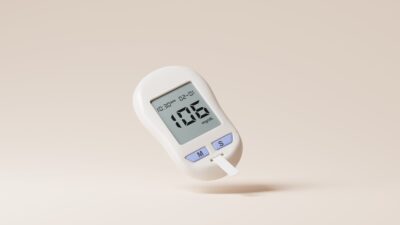
Blood sugar of 110 mg/dL is in the prediabetes range when measured fasting — specifically the lower part of impaired fasting glucose. Measured after a meal or at a random time, 110 is normal. The first interpretive question is always whether the reading was taken on an empty stomach.
What 110 mg/dL Means by Context
| Context | Category at 110 mg/dL | Concern Level |
|---|---|---|
| Fasting (8+ hours no food) | Impaired fasting glucose (prediabetes) | Moderate — confirm and act |
| 1 hour after meal | Normal | None |
| 2 hours after meal (OGTT) | Normal (less than 140) | None |
| Random / no meal context | Normal | None |
| Bedtime | Normal | None |
The Numbers Behind the Categories
- Fasting normal: below 100 mg/dL
- Impaired fasting glucose (prediabetes): 100 to 125 mg/dL — 110 sits squarely here
- Diabetes (fasting): 126 mg/dL or higher on two tests
- 2-hour OGTT normal: below 140 mg/dL
- A1C normal: below 5.7 percent
- A1C prediabetes: 5.7 to 6.4 percent
Equivalent A1C If Average Glucose Stays at 110
| Average glucose (mg/dL) | Estimated A1C (%) | Category |
|---|---|---|
| 100 | 5.1 | Normal |
| 110 | 5.5 | Normal (close to prediabetes) |
| 120 | 5.8 | Prediabetes |
| 140 | 6.5 | Diabetes |
If your fasting is 110 but post-meal readings also run elevated, your A1C may already be in the prediabetes range. Order an A1C to clarify.
Why a Fasting 110 Might Be Showing Up
- Insulin resistance: the most common cause; often tied to weight gain, especially around the abdomen
- Dawn phenomenon: early-morning hormones drive liver glucose output up 10 to 30 mg/dL
- Late dinner or alcohol: can carry over into morning
- Sleep deprivation: consistently fewer than 6 hours raises fasting glucose
- Acute stress, illness, or steroids: all push glucose up
- Genetic predisposition: family history of type 2 diabetes
Action by Context
| Situation | Recommended Next Step |
|---|---|
| No diabetes diagnosis; one fasting at 110 | Repeat fasting on a different day; order A1C |
| Repeat fasting 110 to 125 | Lifestyle intervention; recheck A1C in 3 months |
| Already on type 2 medication; fasting 110 | Good range for most plans; review with doctor |
| Pregnant; fasting 110 | Above gestational diabetes fasting threshold (95) — notify OB |
| Type 1 diabetes; fasting 110 | Excellent in-range; no action needed |
Practical Steps to Bring 110 Back to Below 100
- Weight loss of 5 to 7 percent if overweight — the most effective single intervention
- Walk 10 to 20 minutes after each meal — lowers post-meal peaks 10 to 30 percent
- 150 minutes per week of moderate activity — improves insulin sensitivity
- Replace refined carbs with whole grains, legumes, vegetables
- Reduce sugary drinks — including fruit juice
- Earlier and lighter dinner — reduces overnight glucose load
- 7 to 9 hours of sleep — supports glucose regulation
- Recheck fasting and A1C at 3 and 6 months
Emergency Thresholds (For Reference)
A reading of 110 mg/dL is not an emergency. Thresholds that do warrant urgent attention:
- Below 54 mg/dL — severe hypoglycemia
- Above 240 mg/dL with ketones in type 1 — call doctor
- Above 300 mg/dL — urgent contact
- Above 400 mg/dL with symptoms — emergency room
Adjacent Values
- 100 mg/dL: lower edge of impaired fasting glucose
- 110 mg/dL: mid-range prediabetes fasting
- 120 mg/dL: upper prediabetes fasting
- 126 mg/dL: diabetes diagnostic threshold
Related Reading
See our pages on detection of prediabetes, whether prediabetes is reversible, and the adjacent lookups on blood sugar 100 and blood sugar 130.
The Bottom Line
Blood sugar of 110 mg/dL is prediabetes fasting and normal after eating. Confirm with a repeat fasting test and an A1C before treating it as a fixed result. Lifestyle measures — modest weight loss, more activity, fewer refined carbs, better sleep — work well at this stage and often return fasting glucose to clearly normal range. Talk to your doctor about a recheck plan.