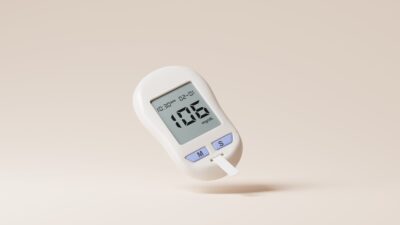
Blood sugar of 170 mg/dL is clearly diabetic when fasting and meaningfully elevated post-meal. It is also close to the renal glucose threshold of roughly 180 mg/dL, meaning the kidneys are about to begin spilling glucose into urine. Persistent readings at this level usually call for treatment intensification.
What 170 mg/dL Means by Context
| Context | Category at 170 mg/dL | Concern Level |
|---|---|---|
| Fasting (8+ hours no food) | Diabetic range | High — treatment review |
| 1 hour after meal | Moderately elevated | Moderate |
| 2 hours after meal (OGTT) | Impaired glucose tolerance (upper end) | Moderate to high |
| Random / no meal context | Elevated | Moderate |
| Bedtime | Above target | Moderate |
Where 170 Sits on the Diagnostic Map
- Fasting normal: below 100 mg/dL
- Impaired fasting glucose: 100 to 125 mg/dL
- Diabetes fasting: 126 mg/dL or higher
- 2-hour OGTT impaired: 140 to 199 mg/dL — 170 falls here
- 2-hour OGTT diabetes: 200 mg/dL or higher
- Renal threshold: roughly 180 mg/dL — kidneys begin spilling glucose into urine
Equivalent A1C If Average Glucose Stays Near 170
| Average glucose (mg/dL) | Estimated A1C (%) | Category |
|---|---|---|
| 150 | 6.9 | Diabetes |
| 170 | 7.6 | Diabetes (above target) |
| 183 | 8.0 | Diabetes (intensification) |
| 212 | 9.0 | Poorly controlled |
Likely Drivers at This Level
- Type 2 diabetes not yet treated or treatment not strong enough
- Missed medication dose — common cause of an isolated reading
- Large carbohydrate meal — especially refined carbs or sugary drinks
- Acute illness, infection, or surgery — stress hyperglycemia
- Corticosteroids — prednisone in particular pushes glucose well above baseline
- Inadequate sleep or major stress
- Type 1 diabetes with insufficient insulin — risk of ketones rising
Action by Diabetes Status
| Situation | Recommended Action |
|---|---|
| No diabetes diagnosis | Doctor visit this week; fasting glucose, A1C, full panel |
| Type 2 on metformin alone, A1C above target | Discuss adding GLP-1, SGLT2, or other agent |
| Type 2 on multiple agents, A1C above target | Reassess plan, consider basal insulin |
| Type 1, isolated 170 post-meal | Note pattern; consider correction insulin if plan allows |
| Type 1, fasting 170 with ketones | Follow sick day rules; contact care team |
| Pregnancy | Contact OB urgently — well above gestational thresholds |
Practical Response to a 170 Reading
- Drink water — hydration supports glucose clearance
- Walk 20 to 30 minutes if safe — lowers glucose 20 to 50 mg/dL acutely
- Avoid more carbs for the next few hours
- Check for missed medication — most common cause of single high readings
- Recheck in 2 hours — confirm the trend
- Type 1: check ketones if reading exceeds 240 mg/dL or if symptoms appear
- Note the meal and circumstances — useful pattern data for your doctor
Long-Term Risks If Sustained
- Retinopathy — risk rises with A1C above 7.0 over years
- Nephropathy — chronic high glucose damages kidney filtration
- Neuropathy — peripheral nerve damage; foot ulcers
- Cardiovascular disease — heart attack and stroke risk 2 to 4 times higher in diabetes
- Cognitive impact — sustained hyperglycemia associated with cognitive decline
Emergency Thresholds
170 mg/dL is not an emergency by itself. Watch for:
- Rising trend — consecutive readings climbing past 240 mg/dL
- Symptoms — vomiting, deep rapid breathing, fruity breath, confusion
- Ketones in type 1 — moderate or large levels require contact
- Above 300 mg/dL with symptoms — urgent
- Above 400 mg/dL regardless of symptoms — emergency room
Adjacent Values
- 150 mg/dL: clearly elevated fasting; impaired post-meal
- 170 mg/dL: moderate hyperglycemia; near renal threshold
- 200 mg/dL: diabetes diagnosis threshold post-meal
- 220 mg/dL: hyperglycemia warranting action
Related Reading
See complications and related conditions, treatment, and adjacent lookups blood sugar 150 and blood sugar 200. The matching A1C is A1C 7.5.
The Bottom Line
Blood sugar of 170 mg/dL is clearly diabetic fasting and meaningfully elevated post-meal. It is close to the renal threshold and may produce thirst and frequent urination. Persistent readings at this level usually prompt a treatment review with your doctor. Lifestyle measures still matter; medication adjustment is often the right next step.