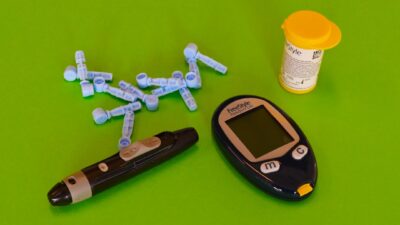
A blood sugar reading of 80 mg/dL is a healthy low-normal fasting value for most adults. The American Diabetes Association defines normal fasting glucose as below 100 mg/dL, with most healthy adults running in the 70 to 99 mg/dL range. At 80, you are squarely in the middle of normal. Symptoms at this value are rare and usually point to causes other than glucose itself.
What 80 mg/dL Means by Context
| Context | Category at 80 mg/dL | Concern Level |
|---|---|---|
| Fasting (8+ hours no food) | Normal — low-normal | None |
| 1 hour after meal | Normal — low end | None |
| 2 hours after meal | Normal | None |
| Random / no meal context | Normal | None |
| Insulin user, trending down on CGM | Above hypo threshold but heading there | Consider preemptive snack |
| Insulin user, stable | Reassuring | None — continue routine |
| Before driving (insulin user) | At low end of safe range | Consider a small carb snack |
The Normal Glucose Range
- Fasting glucose: 70 to 99 mg/dL is normal; 100 to 125 is impaired fasting glucose; 126 or higher on two tests is diabetes
- 2-hour OGTT: below 140 is normal; 140 to 199 is impaired glucose tolerance; 200 or higher is diabetes
- A1C: below 5.7 percent is normal; 5.7 to 6.4 is prediabetes; 6.5 or higher is diabetes
- Hypoglycemia threshold: below 70 mg/dL per ADA
Healthy Adult Glucose Patterns
For people without diabetes, a typical day looks like:
- Fasting glucose 75 to 95 mg/dL
- Pre-meal glucose 75 to 90 mg/dL
- Post-meal peak 120 to 140 mg/dL within 1 hour
- Return to near-fasting by 2 to 3 hours
- Overnight glucose 75 to 90 mg/dL with a slight dawn rise toward waking
A reading of 80 mg/dL fits this pattern in most contexts and reflects a body that is handling glucose well.
Pediatric vs Adult Normal
| Age group | Fasting normal (mg/dL) | 2-hour post-meal normal (mg/dL) |
|---|---|---|
| Adults (non-pregnant) | 70 to 99 | Below 140 |
| Children and adolescents | 70 to 100 | Below 140 |
| Pregnancy (no diabetes) | 60 to 95 | Below 120 at 2 hours |
| Newborns (first 24 hours) | Above 45 to 50 (tighter range) | n/a |
For all groups above the newborn stage, 80 mg/dL is comfortably within normal.
Insulin Users — Why 80 mg/dL Deserves Watching
For people on insulin (especially basal or basal-bolus regimens), 80 mg/dL is above the hypoglycemia threshold but worth monitoring because:
- Insulin from a meal dose may still be active and pushing glucose down
- Exercise or a missed snack can drop glucose by 30 to 50 mg/dL quickly
- Alcohol consumed earlier can blunt the liver’s overnight glucose release
- Tight-control patients commonly set CGM low alarms at 75 to 80 for earlier warning
The practical rule: 80 mg/dL stable is fine; 80 mg/dL falling on CGM is a reason to eat 5 to 10 grams of carb preemptively.
When Symptoms at 80 mg/dL Suggest Something Else
True hypoglycemia symptoms (sweating, shakiness, confusion) are rare at 80 mg/dL. When they do occur at this value, possible causes include:
- Caffeine: mimics adrenaline-driven hypo symptoms
- Anxiety or panic: shares sympathetic-nervous-system symptoms with hypo
- Anemia: shakiness, fatigue, headache
- Rapid glucose drop: dropping from 200 to 80 in 30 minutes can feel low even though 80 is normal
- Hypoglycemia unawareness in reverse — relative hypoglycemia (feeling low at normal glucose) in people accustomed to high glucose
When to Escalate
- Repeated readings dropping below 70 mg/dL — review medication doses with your doctor
- Symptoms despite normal glucose — consider non-glucose causes
- Glucose reading does not match how you feel — confirm with a second meter or CGM check
- Frequent symptomatic lows in someone without diabetes — talk to your doctor about a workup
Adjacent Values
- 70 mg/dL: hypoglycemia threshold — see blood sugar 70
- 80 mg/dL: low-normal — comfortable for most adults
- 90 mg/dL: healthy normal — see blood sugar 90
- 100 mg/dL: upper boundary of normal fasting — see blood sugar 100
Related Reading
See our broader guides on detection of prediabetes and A1C levels.
The Bottom Line
A blood sugar of 80 mg/dL is a healthy low-normal value for most adults — squarely within the normal fasting range. For people without diabetes, it is reassuring and needs no action. For insulin users it is comfortably above the hypoglycemia threshold but worth watching, especially if CGM shows a falling trend before exercise or driving. Symptoms at 80 mg/dL are rare and usually point to non-glucose causes; tell your doctor if they recur.