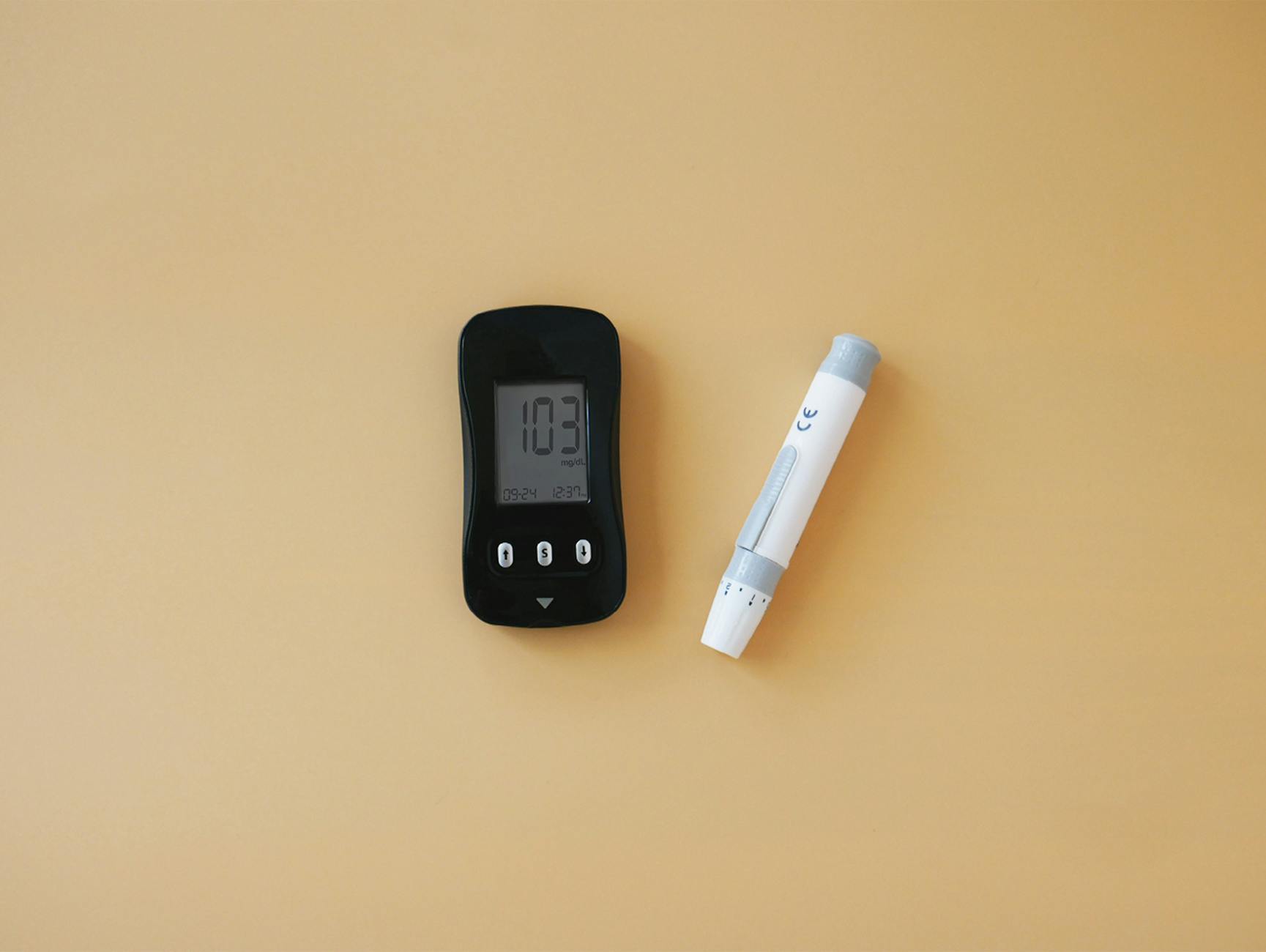
Free diabetes testing is widely available in the United States through community health centers, pharmacy screenings, CDC-backed prevention programs, and insurance-covered preventive care. According to the CDC, over 98 million American adults have prediabetes — and more than 80% don’t know it. Getting tested is the essential first step, and cost should not be a barrier.
Whether you have private insurance, Medicare, Medicaid, or no insurance at all, there are options for getting screened at little or no cost.
Where to Get Free or Low-Cost Diabetes Screening
Here’s a comprehensive overview of your options:
| Option | Cost | Test Type | Best For |
|---|---|---|---|
| Federally Qualified Health Centers (FQHCs) | Free or sliding-fee scale | Fasting glucose, A1C | Uninsured or low-income individuals |
| CDC Diabetes Prevention Program (DPP) | Free or low-cost | Risk assessment + referral for testing | Anyone at risk for prediabetes |
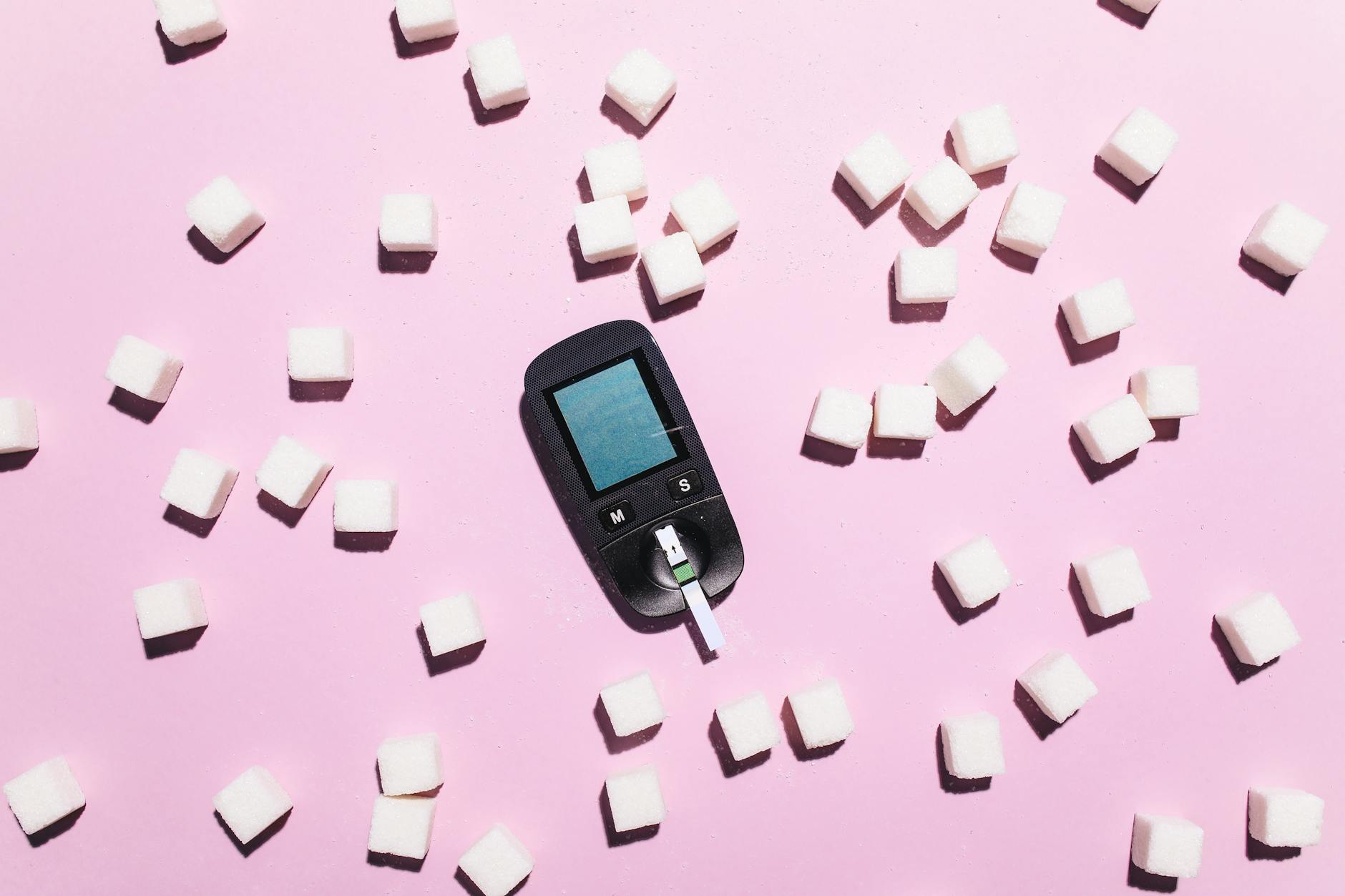
| Pharmacy health screenings | Free during events; $20-$30 otherwise | Fingerstick glucose | Quick screening; convenient locations |
| Medicare Part B | $0 copay for covered screenings | Fasting glucose, A1C | Medicare beneficiaries with risk factors |
| Medicaid | Usually $0 | Fasting glucose, A1C, OGTT | Medicaid enrollees |
| Private insurance (ACA plans) | $0 copay for preventive screenings | Fasting glucose, A1C | Anyone with ACA-compliant insurance |
| Online risk assessments | Free | Questionnaire (not a blood test) | First step to determine if formal testing is needed |
| Community health fairs | Free | Fingerstick glucose | Walk-in screening; no appointment needed |
Federally Qualified Health Centers (FQHCs)
FQHCs are community-based healthcare organizations that receive federal funding to provide primary care to underserved populations. There are over 1,400 FQHC organizations operating more than 14,000 service sites across the United States.
Key benefits of FQHCs:
- They must serve all patients regardless of ability to pay.
- Fees are based on a sliding scale determined by your income and family size.
- Many offer diabetes screening as part of routine preventive care.
- They provide follow-up care if you’re diagnosed with prediabetes or diabetes.
To find an FQHC near you, visit the HRSA Health Center Finder.
CDC’s National Diabetes Prevention Program (DPP)
The CDC’s DPP is a structured lifestyle change program designed to help people with prediabetes reduce their risk of developing type 2 diabetes. While the program itself focuses on lifestyle coaching, it includes risk assessment and typically facilitates getting a formal blood test.
What the DPP offers:
- Free online prediabetes risk assessment at cdc.gov/diabetes/prevention
- Referral to CDC-recognized DPP providers in your area
- Year-long lifestyle change program with a trained coach
- Coverage by Medicare and many private insurers
The DPP is based on the landmark Diabetes Prevention Program research study, which showed that lifestyle changes can reduce the risk of developing type 2 diabetes by 58%. The program is available in person, online, and through distance-learning formats.
Pharmacy Screenings
Many national pharmacy chains offer health screening services that include blood glucose checks. These are especially accessible because they require no appointment and are available in thousands of locations.
- CVS MinuteClinic: Offers A1C and glucose testing as part of health screening packages. Periodic free screening events are held throughout the year.
- Walgreens: Partners with community health organizations to offer free diabetes screenings during awareness campaigns, particularly during November (American Diabetes Month).
- Walmart pharmacy: Offers low-cost health screenings and partners with local health departments for free screening days.
- Local independent pharmacies: Many participate in community health screening programs.
Keep in mind that pharmacy fingerstick glucose tests are screening tools, not diagnostic tests. If your result is elevated, you’ll need to follow up with a doctor for confirmatory testing such as a fasting glucose or A1C test.
Insurance-Covered Screening: What You May Not Know
If you have health insurance, diabetes screening may already be covered at no cost to you — and many people don’t realize this.
Medicare
According to Medicare.gov, Medicare Part B covers diabetes screening tests (fasting glucose, A1C, or OGTT) at no cost if you have any of the following risk factors:
- High blood pressure
- History of abnormal cholesterol or triglycerides
- Obesity (BMI of 30 or higher)
- History of elevated blood sugar
- Family history of diabetes
You can receive up to two covered screenings per year.
Medicaid
Medicaid coverage varies by state, but most state Medicaid programs cover diabetes screening as part of preventive care. Contact your state’s Medicaid office or check your plan documents for details.
Private Insurance (ACA Plans)
Under the Affordable Care Act (ACA), all marketplace health plans must cover certain preventive services at no cost to the patient. Diabetes screening for adults with abnormal blood sugar (as part of cardiovascular risk assessment) is among the covered preventive services.
Free Online Risk Assessments
If you’re not sure whether you need a formal blood test, a free online risk assessment can help you gauge your risk level. These questionnaires evaluate factors like your age, weight, family history, physical activity, and medical history.
- ADA Type 2 Diabetes Risk Test: A 60-second quiz available at diabetes.org/diabetes/risk-test.
- CDC Prediabetes Risk Test: Available at the CDC’s diabetes prevention page.
These assessments are not blood tests and cannot diagnose diabetes or prediabetes. However, they are a useful first step to determine whether you should pursue formal screening.
What to Do After Getting Tested
Once you receive your test results, the next steps depend on where your numbers fall:
- Normal results: Continue healthy habits and retest in three years, or sooner if you have risk factors.
- Prediabetes: Ask your doctor about joining a Diabetes Prevention Program, make dietary and exercise changes, and retest annually.
- Diabetes: Work with your doctor to develop a management plan that may include medication, dietary changes, regular monitoring, and referrals to specialists.
The Bottom Line
Cost should never prevent you from getting tested for diabetes. Free and low-cost screening is available through FQHCs, the CDC’s Diabetes Prevention Program, pharmacy health events, Medicare, Medicaid, and ACA-compliant private insurance. Online risk assessments offer a quick first step, and formal blood tests like fasting glucose and A1C can confirm whether you have prediabetes or diabetes. With 98 million Americans living with prediabetes — most of them unaware — getting screened is one of the most impactful things you can do for your long-term health. Find a testing option that works for you and take that first step today.