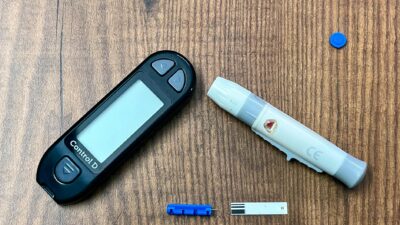
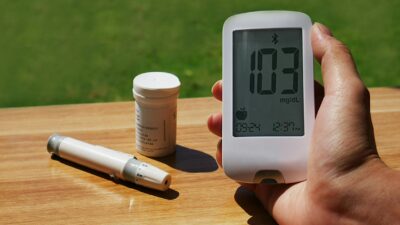
A Freestyle glucometer is a small handheld device from Abbott Diabetes Care that measures blood glucose from a tiny fingertip blood sample, distinct from Abbott’s Freestyle Libre continuous monitor line. The Freestyle glucometer family includes three widely sold fingerstick meters that remain popular because of their small sample size, simple interface, and broad strip availability.
What the Freestyle Lineup Includes
Abbott sells three main non-CGM meters under the Freestyle brand in the US market. All require a test strip loaded with a small drop of capillary blood, typically from the fingertip.
- Freestyle Lite: the flagship meter, using Freestyle Lite strips and a 0.3 microliter sample.
- Freestyle Freedom Lite: similar technology with a larger screen and no backlight, favored by some older users.
- Freestyle Precision Neo: a lower-cost meter using Precision Xtra strips, sometimes bundled with a 30-day starter supply.
Abbott has phased out older Freestyle models such as InsuLinx and the original Freestyle Freedom. Abbott also makes professional meters such as the Precision Xceed Pro for hospital point-of-care use.
How a Freestyle Glucometer Works
Each test strip has a dry chemistry layer containing glucose oxidase or glucose dehydrogenase enzyme plus a mediator. When blood contacts the strip, glucose reacts with the enzyme, producing a small electric current. The meter measures that current, applies temperature and hematocrit corrections, and displays a glucose value in milligrams per deciliter or millimoles per liter.
Freestyle Lite uses glucose dehydrogenase flavin adenine dinucleotide chemistry, which reduces interference from non-glucose sugars found in some intravenous solutions. The sample size of 0.3 microliters is among the smallest in the industry, reducing finger pain and retest rates.
Accuracy Standards and Limitations
All over-the-counter blood glucose meters sold in the United States must meet FDA accuracy requirements derived from ISO 15197:2013. The standard requires that 95% of readings fall within 15% or 15 mg per dL of a laboratory reference. The table below shows typical accuracy ranges reported in independent studies.
| Meter | Within 15% of Lab | Sample Size | Strip Chemistry | Common Use |
|---|---|---|---|---|
| Freestyle Lite | 97 to 99% | 0.3 microliter | GDH-FAD | Daily home testing |
| Freestyle Freedom Lite | 96 to 98% | 0.3 microliter | GDH-FAD | Older adults, low vision |
| Freestyle Precision Neo | 95 to 97% | 0.6 microliter | GDH-NAD | Cost-focused users |
| Contour Next One | 98 to 100% | 0.6 microliter | GDH-FAD | Cross-reference |
| Accu-Chek Guide | 97 to 99% | 0.6 microliter | Mut-Q-GDH | Cross-reference |
Accuracy falls with extreme temperature, high altitude, severe dehydration, very high or low hematocrit, and contamination from food residue on the fingertip. These errors are usually larger than meter-to-meter differences.
Correct Testing Technique
Technique accounts for most preventable meter errors. Before drawing a sample:
- Wash hands with warm water and dry thoroughly. Alcohol wipes leave residue that can alter readings.
- Warm cold hands by rubbing them or running warm water to increase capillary flow.
- Load a fresh strip, checking the expiration date on the vial.
- Use a fresh lancet at a comfortable depth setting. Side-of-fingertip sites hurt less than the pad.
- Milk the finger gently rather than squeezing hard, which dilutes blood with tissue fluid and lowers results.
- Touch the blood drop to the strip edge and wait for the reading, usually 4 to 5 seconds.
Site rotation reduces callus formation. Alternate site testing, such as forearm samples, is approved for some Freestyle models but lags fingertip readings when glucose is changing rapidly. Use fingertips when you suspect hypoglycemia.
Strip Costs and Insurance Coverage
Strips are the dominant ongoing cost of meter use. Retail prices range from about 0.30 dollars per strip for generic store brands to 1.50 dollars for name-brand strips without insurance. Mail-order pharmacies, manufacturer savings cards, and pharmacy discount apps often bring costs into the 0.40 to 0.70 dollars per strip range.
Medicare Part B covers test strips when prescribed, with the number allowed per month based on insulin use. Commercial plans vary, and some favor specific meters by offering free meters in exchange for pharmacy benefit rebates on strips. If you are tracking your glucose as part of managing prediabetes, check your plan for preferred meter brands before buying strips out of pocket.
Freestyle Glucometer Versus Continuous Glucose Monitoring
Fingerstick meters provide a single point-in-time glucose value, while CGMs provide a new reading every 1 to 5 minutes for up to two weeks per sensor. Meters remain useful when:
- You need to confirm a CGM reading that does not match symptoms.
- A CGM sensor fails and you are waiting for a replacement.
- You are checking for severe hypoglycemia in the last 20 minutes of a CGM sensor session.
- You want low-cost, intermittent glucose information and do not need trend data.
For detailed comparison, see the overview of how prediabetes treatment integrates different glucose monitoring approaches.
Troubleshooting Common Issues
If your meter returns an E-1 or similar error code, check that you used the correct strip and that the sample was large enough. Expired strips often show falsely low readings. Storing strips in the bathroom, where humidity is high, can damage them even inside the vial. Keep meters at room temperature, away from direct sun in a car.
When to Replace the Meter
Freestyle meters have a working life of 5 to 7 years under typical home use. Signs that replacement is warranted include frequent error codes, inconsistent readings compared with a lab check, a damaged screen, or battery compartments that no longer seat properly. Abbott does not perform individual calibration of home meters, so a suspicious meter is replaced rather than recalibrated.
The Bottom Line
A Freestyle glucometer provides accurate, low-cost blood glucose readings for daily or intermittent monitoring, distinct from the Freestyle Libre CGM. Choice among Lite, Freedom Lite, and Precision Neo mostly comes down to strip coverage and screen preference. The FDA blood glucose monitoring device page is a good reference for accuracy standards. Talk with your clinician about whether fingerstick monitoring, CGM, or a combination best supports your glucose management plan.
This article is for educational purposes only and does not constitute medical advice. Always consult your healthcare provider for diagnosis and treatment decisions.