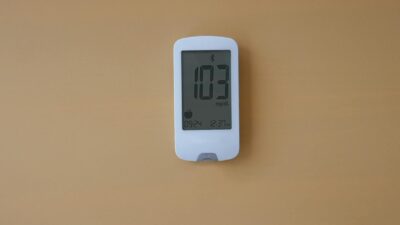
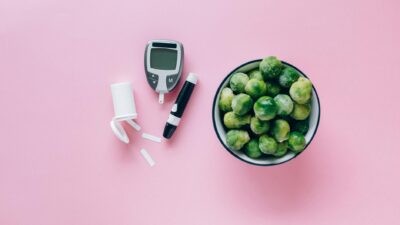
A glucose testing kit is a small package of tools – a meter, test strips, lancets, and control solution – that lets you measure your blood sugar from a fingertip sample in about five seconds. Modern FDA-cleared glucose testing kits read within 15% of a laboratory value at least 95% of the time when used correctly.
What Is in a Glucose Testing Kit
Most retail kits include everything you need to test at home. According to the U.S. Food and Drug Administration, a home blood glucose monitoring system consists of the meter and matched strips. Kits simply bundle the supporting supplies you need to run a test safely.
- Blood glucose meter – the electronic device that reads the strip.
- Test strips – chemically treated strips specific to the meter brand.
- Lancing device – a spring-loaded pen that holds disposable lancets.
- Lancets – sterile single-use needles (usually 28-33 gauge).
- Control solution – a standardized glucose solution for verifying meter accuracy.
- Logbook or app – to record values and spot patterns.
- Carrying case – to keep everything clean and portable.
How a Glucose Testing Kit Works
Home meters use an enzymatic electrochemical reaction. Glucose in your blood reacts with an enzyme (typically glucose oxidase or glucose dehydrogenase) on the test strip. That reaction generates a tiny electrical current proportional to the glucose concentration. The meter converts that current into a milligrams per deciliter (mg/dL) reading on the screen.
Because the reaction is calibrated to whole blood glucose, most meters internally adjust the reading to match a plasma equivalent, which is how lab values are reported. That allows fingerstick values to be compared directly with lab draws.
Glucose Testing Kit Accuracy Standards
The FDA clears meters that meet ISO 15197:2013, the international accuracy standard for glucose meters. The standard has two parts:
| Glucose Range | Required Accuracy |
|---|---|
| Below 100 mg/dL | 95% of readings within ±15 mg/dL of lab value |
| 100 mg/dL and above | 95% of readings within ±15% of lab value |
| Overall | 99% of readings within zones A or B of Consensus Error Grid |
Independent testing by groups like the Diabetes Technology Society shows wide variation between brands. Leading meters such as the Contour Next, Accu-Chek Guide, and OneTouch Verio consistently outperform the minimum standard, while many low-cost or generic meters fall short.
How to Use a Glucose Testing Kit Correctly
- Wash and dry your hands with warm water. Residue (especially fruit juice) skews readings high.
- Insert a test strip into the meter until it powers on.
- Load a fresh lancet into the lancing device; set the depth setting.
- Lance the side of your fingertip rather than the pad to reduce pain.
- Apply the blood drop to the strip’s sample window; the meter will beep when enough sample is collected.
- Wait 5 seconds for the result. Record it in the app or logbook.
- Discard the lancet in a sharps container and the strip in the trash.
Factors That Affect Accuracy
- Hand hygiene: residue on fingers can raise readings by 50-100 mg/dL.
- Sample size: insufficient blood triggers error codes or underestimates.
- Strip storage: expired strips or strips left uncapped lose sensitivity.
- Extreme temperatures: most meters work between 50 and 104 degrees Fahrenheit.
- Altitude and hematocrit: very high altitudes or abnormal hematocrit values can shift readings.
- Certain medications: high-dose vitamin C and acetaminophen can interfere with some strip chemistries.
When to Test
The Centers for Disease Control and Prevention recommends that testing schedules be individualized. For most adults with prediabetes, periodic checks around meals can reveal how different foods affect glucose. People on insulin typically test 2-4 times a day.
If you are new to the topic, our Prediabetes 101 hub explains what target glucose ranges mean, and the A1C levels guide shows how your meter data translates into long-term control metrics.
Glucose Testing Kit vs. Continuous Glucose Monitor
A fingerstick kit gives a snapshot; a CGM draws a line graph. For people who want to see meal responses, exercise effects, and overnight trends without repeated finger pricks, a CGM may be a better fit. For people who test once or twice a day, a glucose testing kit is inexpensive and reliable. Many clinicians use both tools together.
The Bottom Line
A glucose testing kit is a compact, low-cost way to check your blood sugar at home, and modern FDA-cleared meters are accurate enough to guide daily decisions. Proper hand washing, in-date strips, correct sample size, and periodic control-solution checks keep readings trustworthy. Pair your kit with periodic A1C testing and, when appropriate, CGM data for the fullest picture of your glucose control.
Medical Disclaimer: This content is for educational purposes only and is not a substitute for professional medical advice, diagnosis, or treatment. Always consult your physician or qualified healthcare provider with any questions about a medical condition or treatment.