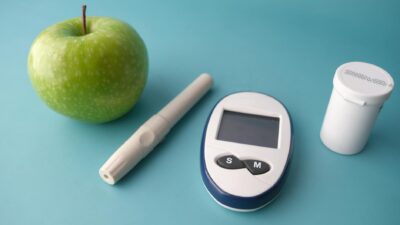
The Stelo sensor is the first FDA-cleared over-the-counter continuous glucose monitor in the United States, launched by Dexcom in March 2024. Designed for adults 18 and older who are not on insulin, Stelo lets people with prediabetes, type 2 diabetes managed without insulin, or general metabolic-health curiosity track glucose without a prescription.
How the Stelo Sensor Works
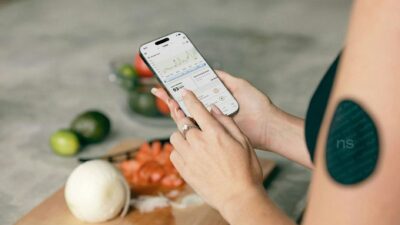
Stelo uses the same subcutaneous sensing technology as Dexcom’s prescription G7 CGM. A tiny filament sits in interstitial fluid, where glucose reacts with an enzyme to generate a measurable current. That current is translated into a glucose value by the transmitter and sent to your smartphone every 15 minutes via Bluetooth.
The sensor sits on the back of the upper arm, is waterproof, and lasts 15 days, longer than the prescription G7’s 10-day wear.
Who Is Stelo For?
The FDA cleared Stelo for adults 18 and older who do not use insulin. This deliberately includes:
- Adults with prediabetes wanting to see real-time responses to meals
- People with type 2 diabetes managed with metformin, GLP-1s, or lifestyle alone
- Health-focused adults interested in metabolic insights without a medical indication
It excludes type 1 diabetes, insulin users, pregnant women, and children. If you fall outside these groups, a prescription CGM is the appropriate choice. To understand how continuous data fits with traditional testing, see our A1C levels guide.
Stelo vs Dexcom G7 vs Abbott Lingo
| Feature | Stelo | Dexcom G7 | Abbott Lingo |
|---|---|---|---|
| Prescription | No | Yes | No |
| Sensor life | 15 days | 10.5 days | 14 days |
| Reading interval | 15 min | 5 min | 1 min |
| Urgent low alert | No | Yes | No |
| Starting price | ~$49/sensor | ~$125/sensor | ~$49/sensor |
| Indication | Non-insulin adults | All diabetes types | Wellness |
Setting Up Stelo
Order directly from stelo.com or purchase at participating pharmacies. Download the Stelo app, pair the sensor, and apply it to the back of the upper arm using the pre-loaded applicator. The sensor warms up for 30 minutes before showing glucose data.
The app is intentionally simpler than Dexcom G7’s clinical interface. It highlights “Spike” events, meal windows, and 24-hour patterns rather than granular trend arrows. This framing matches the lifestyle use case the FDA reviewed.
Interpreting Stelo Data
Target ranges for non-diabetic adults are generally 70 to 140 mg/dL, with post-meal peaks rarely exceeding 140. People with prediabetes may see peaks of 140 to 180 mg/dL, especially after refined carbohydrates. The FDA clearance press release emphasizes that Stelo is a lifestyle tool, not a replacement for clinical assessment.
Use Stelo data to identify individual responses. Some people spike more on oatmeal than on a bagel because of personal metabolism, gut microbiome, and fitness. For dietary guidance that pairs well with CGM insights, see our diet and nutrition hub.
Limitations of Stelo
Stelo does not have urgent-low alarms, cannot be used for insulin dosing decisions, and reports at 15-minute intervals rather than five. The app also smooths short glucose spikes to avoid alarming users with normal physiological variability. These are intentional design choices, not flaws, but they mean Stelo is unsuitable for anyone at risk of hypoglycemia.
The sensor may also be less accurate in the first and last 24 hours of wear, a pattern common to all CGMs.
When to Talk to Your Doctor
Share your Stelo data with your clinician if you see:
- Sustained glucose above 180 mg/dL after most meals
- Fasting glucose consistently above 110 mg/dL
- Any glucose readings below 70 mg/dL
- Large variability (range greater than 60 mg/dL within a day)
These patterns warrant formal testing such as a fasting glucose, oral glucose tolerance test, or HbA1c.
The Bottom Line
The Stelo sensor brings medical-grade glucose tracking to adults without insulin therapy, at a fraction of prescription CGM cost. It is a powerful educational tool for people with prediabetes or early type 2 diabetes, but it is not a substitute for medical care. Use Stelo insights to refine lifestyle choices, and always involve your healthcare provider in treatment decisions.
This article is educational and not medical advice. Consult your healthcare provider before making medication or dietary changes based on CGM data.