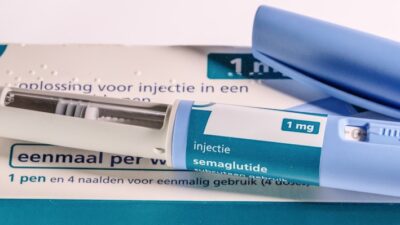
How does Mounjaro work? Mounjaro (tirzepatide) is a once-weekly injection that mimics two natural gut hormones, GIP and GLP-1. By activating both receptors, it boosts insulin release when blood sugar is high, suppresses glucagon, slows stomach emptying, and reduces appetite. The result is lower A1C and meaningful weight loss in people with type 2 diabetes.
The Dual-Incretin Mechanism
Incretins are hormones your gut releases after eating. GLP-1 (glucagon-like peptide-1) and GIP (glucose-dependent insulinotropic polypeptide) both prompt the pancreas to release insulin in response to food. In type 2 diabetes, the GIP response is blunted. Tirzepatide is engineered as a single peptide that activates both receptors, restoring incretin signaling more completely than GLP-1-only drugs.
Four Ways It Lowers Blood Sugar
- Insulin secretion: Stimulates beta cells to release insulin when glucose is elevated
- Glucagon suppression: Reduces glucagon, which normally tells the liver to release stored glucose
- Gastric emptying: Slows how quickly food leaves the stomach, blunting post-meal glucose spikes
- Appetite regulation: Acts on brain centers that control hunger and satiety, leading to smaller meals
Approved Uses
The FDA has approved Mounjaro specifically for type 2 diabetes in adults, as an adjunct to diet and exercise. It is not approved for type 1 diabetes or for weight loss alone. The same molecule, tirzepatide, is sold under the name Zepbound for chronic weight management and obstructive sleep apnea in adults with obesity.
How Effective Is It?
In the SURPASS trials, Mounjaro lowered A1C by roughly 1.7 to 2.5 percentage points, depending on dose and baseline A1C. Weight loss averaged 15-22 pounds at higher doses over 40-72 weeks. Head-to-head against semaglutide 1 mg, tirzepatide produced greater A1C and weight reductions.
| Dose | Average A1C Reduction | Average Weight Loss (T2D trials) |
|---|---|---|
| 5 mg weekly | 1.9-2.0% | ~15 lbs |
| 10 mg weekly | 2.2-2.3% | ~19 lbs |
| 15 mg weekly | 2.3-2.5% | ~22 lbs |
How It Is Used
Mounjaro is a once-weekly subcutaneous injection delivered through a pre-filled auto-injector pen. Treatment starts at 2.5 mg for four weeks (to reduce GI side effects) and increases every four weeks by 2.5 mg until reaching a maintenance dose, typically 5 to 15 mg. Your clinician determines the right dose and titration pace based on your response and tolerability. Injection sites rotate between the abdomen, thigh, or upper arm.
Common Side Effects
Gastrointestinal side effects are the most frequent: nausea, diarrhea, vomiting, constipation, and decreased appetite. Most are mild to moderate, appear during dose escalation, and fade with time. Eating smaller meals, avoiding high-fat or greasy foods, and hydrating well help many people stay on therapy.
Serious Risks to Know
- Pancreatitis: Uncommon but possible; severe abdominal pain warrants urgent care
- Gallbladder disease: Gallstones and cholecystitis occur more often than with placebo, often tied to rapid weight loss
- Hypoglycemia: Low risk alone, but rises when combined with insulin or sulfonylureas
- Kidney injury: Dehydration from severe GI symptoms can cause acute kidney damage
- Thyroid C-cell tumors: Boxed warning based on rodent studies; human relevance unknown
- Diabetic retinopathy: Rapid glucose lowering can temporarily worsen retinopathy in people with existing eye disease
Detailed prescribing information is available from the FDA.
Who Should Not Use Mounjaro
Mounjaro is contraindicated in people with a personal or family history of medullary thyroid carcinoma or MEN2. It is not recommended during pregnancy or breastfeeding, and caution applies for people with severe GI disease (like gastroparesis), pancreatitis history, or severe kidney disease.
Mounjaro and Prediabetes
Mounjaro is not FDA-approved for prediabetes, and off-label prescribing for prediabetes is uncommon. Most prediabetes care still centers on lifestyle change and, in some cases, metformin. If you have prediabetes plus obesity, Zepbound (same drug, different indication) may be an option. Start by understanding your A1C level and review our broader prediabetes treatment guide.
Cost, Coverage, and Access
Monthly list price runs approximately $1,000 without insurance. Many commercial insurers cover Mounjaro for type 2 diabetes when documented, though prior authorization is common. Medicare Part D covers it for diabetes but not for weight loss. Eli Lilly offers a manufacturer savings program for eligible patients.
The Bottom Line
How does Mounjaro work? It activates both GIP and GLP-1 receptors to lower blood sugar through four linked mechanisms: more insulin, less glucagon, slower digestion, and reduced appetite. For people with type 2 diabetes, it can drop A1C by about 2 percentage points and support substantial weight loss, with GI side effects the most common downside. Use of Mounjaro should always be guided by a clinician who can monitor labs, side effects, and long-term goals.
Medical disclaimer: This article is educational only and does not replace individualized medical advice. Talk to your healthcare provider about whether Mounjaro is right for you.