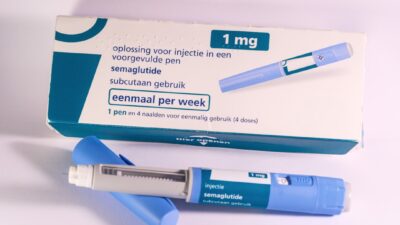
Semaglutide works by mimicking glucagon-like peptide-1 (GLP-1), a gut hormone that tells your pancreas to release insulin when blood sugar rises, suppresses the liver’s glucose output, slows how fast food leaves your stomach, and dampens appetite signals in the brain. Understanding how does semaglutide work helps explain why it lowers A1C and supports weight loss.
The GLP-1 Mechanism in Plain Language
GLP-1 is released by L-cells in your small intestine after you eat. It nudges the pancreas to secrete insulin, slows glucagon (a hormone that raises blood sugar), and sends satiety signals to the hypothalamus. Natural GLP-1 breaks down in under two minutes. Semaglutide is engineered to resist that breakdown, giving it a half-life of about seven days, which is why weekly dosing is possible for the injection and once-daily dosing for the tablet.
Because semaglutide only boosts insulin when glucose is already elevated, it carries a lower risk of hypoglycemia than older drugs like sulfonylureas. For people managing A1C levels in the diabetic range, that built-in safety margin is clinically useful.
FDA-Approved Uses
Semaglutide is sold under three brand names in the United States, each with distinct labeling from the U.S. Food and Drug Administration.
| Brand | Form | Primary Indication | Max Dose |
|---|---|---|---|
| Ozempic | Weekly injection | Type 2 diabetes, cardiovascular risk reduction | 2.0 mg/week |
| Wegovy | Weekly injection | Chronic weight management, MACE reduction | 2.4 mg/week |
| Rybelsus | Daily tablet | Type 2 diabetes | 14 mg/day |
In 2024, the FDA expanded Wegovy’s label to include reducing the risk of major adverse cardiovascular events in adults with established heart disease and obesity, based on the SELECT trial.
Benefits Documented in Clinical Trials
Phase 3 trials (STEP program for Wegovy, SUSTAIN program for Ozempic) found average weight loss of 12 to 15 percent of body weight over 68 weeks and A1C reductions of 1.5 to 1.8 percentage points in people with type 2 diabetes. Blood pressure, LDL cholesterol, and triglyceride levels typically improve alongside those changes. These effects are why GLP-1 therapy has become a pillar of modern prediabetes and diabetes treatment conversations.
Side Effects and Safety Signals
Gastrointestinal side effects are the most common reason people stop semaglutide. The slower gastric emptying that helps with satiety also causes nausea, vomiting, constipation, or diarrhea, especially during dose escalation. Most symptoms ease after four to eight weeks on a stable dose.
- Common: nausea, diarrhea, constipation, fatigue, injection-site reactions
- Less common: gallstones, gallbladder inflammation, pancreatitis
- Boxed warning: thyroid C-cell tumors (seen in rodents; human risk unclear)
- Contraindications: personal or family history of medullary thyroid carcinoma or multiple endocrine neoplasia type 2
According to the FDA’s Wegovy approval, patients with a history of pancreatitis or severe gastrointestinal disease should be monitored carefully. Never adjust your dose without medical supervision.
Who Might Not Be a Candidate
Semaglutide is not appropriate for people with type 1 diabetes, pregnancy, a history of medullary thyroid cancer, or severe gastroparesis. It can interact with other glucose-lowering drugs and may need dose adjustment of insulin or sulfonylureas. If you are exploring whether lifestyle alone can address reversing prediabetes, your clinician can help weigh medication against diet, exercise, and sleep interventions.
How Semaglutide Fits Into a Larger Care Plan
A GLP-1 receptor agonist is one tool, not a standalone solution. Clinical guidelines from the American Diabetes Association recommend pairing medication with individualized medical nutrition therapy, at least 150 minutes of weekly moderate-intensity activity, and behavioral support. Sleep quality, stress management, and screening for sleep apnea also affect glucose control. For most people, the largest gains come when medication and lifestyle work together rather than either one alone.
Clinicians typically re-evaluate every 8 to 12 weeks during titration, checking weight, blood pressure, A1C, lipids, kidney function, and side-effect burden. If the drug is not producing the expected response, the team may revisit diet patterns, adjust the dose, switch to a different GLP-1, add a second agent, or reassess adherence.
Practical Tips for New Users
- Rotate injection sites between the abdomen, thigh, and upper arm to minimize irritation.
- Eat smaller, more frequent meals during the first month to reduce nausea.
- Avoid very greasy or sugary meals, which worsen gastrointestinal side effects.
- Stay hydrated, especially if vomiting or diarrhea appears.
- Store pens according to the label and never share needles.
- Keep a simple log of weight, appetite, side effects, and questions for your clinician.
The Bottom Line
Semaglutide works by imitating the GLP-1 hormone: it boosts insulin when glucose is high, slows stomach emptying, and turns down hunger signals. That combination delivers meaningful A1C and weight reductions for many adults with type 2 diabetes or obesity, but it also brings real gastrointestinal side effects and rare safety risks. Only a clinician who knows your full medical history can say whether semaglutide is the right tool for you. This article is educational and is not a substitute for professional medical advice, diagnosis, or treatment.