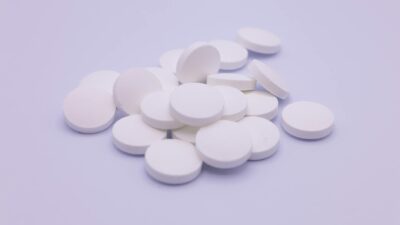
No, metformin is not a GLP-1. Metformin is a biguanide that works mainly by reducing liver glucose production, while GLP-1 receptor agonists like semaglutide and tirzepatide are peptide drugs that mimic a gut hormone to stimulate insulin release and slow gastric emptying. The two classes are chemically and mechanistically distinct, even though both treat type 2 diabetes.
What Metformin Actually Is
Metformin is the generic name for a small-molecule drug in the biguanide class, first approved in France in 1957 and by the FDA in 1994. It is derived from a compound found in French lilac and has been used for decades as a first-line therapy for type 2 diabetes. A typical metformin tablet is 500 mg or 1,000 mg; common daily doses range from 500 mg once daily to 2,000 mg total daily.
Its primary effects include reduced hepatic gluconeogenesis (the liver makes less glucose), improved peripheral insulin sensitivity, and modestly decreased intestinal glucose absorption. The molecular target is still debated but includes activation of AMP-activated protein kinase (AMPK) and inhibition of mitochondrial complex I.
What GLP-1 Drugs Actually Are
GLP-1 receptor agonists are synthetic peptide analogs of glucagon-like peptide-1, a hormone your small intestine releases after meals. Examples include semaglutide (Ozempic, Wegovy, Rybelsus), liraglutide (Victoza, Saxenda), dulaglutide (Trulicity), exenatide (Byetta, Bydureon), and the dual incretin tirzepatide (Mounjaro, Zepbound), which activates both GLP-1 and GIP receptors.
These drugs stimulate glucose-dependent insulin secretion, suppress glucagon, slow gastric emptying, and act on appetite centers in the brain. The peptide structure is why most are injected; only Rybelsus is an oral formulation, and it requires a specialized absorption enhancer to survive the stomach.
Side-by-Side Comparison
| Attribute | Metformin | GLP-1 Agonists |
|---|---|---|
| Drug class | Biguanide | Incretin mimetic (peptide) |
| Main mechanism | Reduces liver glucose output; improves insulin sensitivity | Boosts insulin secretion; slows gastric emptying; reduces appetite |
| Form | Oral tablet | Mostly injection; Rybelsus is oral |
| Typical A1C reduction | 1.0-1.5 percent | 1.0-2.0 percent (class-dependent) |
| Typical weight effect | Neutral to 2-3 kg loss | 5-22 percent loss depending on agent |
| Hypoglycemia risk | Very low alone | Very low alone |
| Common side effects | GI: diarrhea, nausea, gas | GI: nausea, vomiting, constipation |
| Approx. US monthly cost | $4-15 generic | $900-1,300 list price, brand |
| FDA approval year | 1994 | 2005 (exenatide) through 2023 (newer agents) |
Where the Confusion Comes From
Several factors feed the myth that metformin is a GLP-1. Both are used for type 2 diabetes. Both can cause gastrointestinal side effects. Both are discussed in weight loss forums. And some small studies have suggested metformin may modestly raise endogenous GLP-1 concentrations in the gut, possibly as a secondary effect of its action on bile acid metabolism. None of that makes metformin a GLP-1 drug; it simply means metformin may occasionally influence the same hormonal pathway indirectly.
How Clinicians Choose Between Them
The American Diabetes Association’s 2024 Standards of Care keep metformin as a foundational first-line therapy for most adults with type 2 diabetes because of long safety data, low cost, and cardiovascular neutrality. GLP-1 agents are recommended when additional glycemic reduction is needed, weight loss is a goal, or there is established atherosclerotic cardiovascular disease, heart failure, or chronic kidney disease. Many patients end up on both. Read the ADA Standards of Care for the full algorithm.
Side Effects and Safety
Metformin’s most common side effects are gastrointestinal: diarrhea, bloating, metallic taste, and nausea, usually worst in the first few weeks. Extended-release formulations often reduce these symptoms. Rare but serious concerns include lactic acidosis in people with significant kidney impairment, and long-term use has been linked to modestly lower vitamin B12 levels.
GLP-1 agents also cause nausea, vomiting, and constipation, particularly during titration. Rare but serious warnings include pancreatitis, gallbladder disease, and a boxed warning about thyroid C-cell tumors seen in rodents. Neither class commonly causes hypoglycemia when used alone; the risk rises when combined with insulin or sulfonylureas.
Cost Reality
Generic metformin is one of the cheapest prescription drugs available, often under $10 for a 30-day supply through major pharmacy discount programs. Brand GLP-1 drugs remain expensive, typically $900 to $1,300 per month at list price. Insurance coverage varies, and patient assistance programs, manufacturer savings cards, and step therapy requirements can substantially change what you pay. Compounded semaglutide has emerged as a lower-cost alternative but carries its own FDA cautions about purity and dosing accuracy.
How This Applies to Prediabetes
For prediabetes, lifestyle intervention remains the evidence-based first step, reducing progression to type 2 diabetes by about 58 percent in the Diabetes Prevention Program. Metformin is sometimes added for people under 60 with BMI over 35 or a history of gestational diabetes; it reduced progression by about 31 percent in the same trial. GLP-1 drugs are not FDA-approved for prediabetes specifically but are sometimes used off-label in higher-risk patients. See our treatment guide, prediabetes overview, and reversal guide for more.
The Bottom Line
Metformin and GLP-1 receptor agonists are two different drug classes with two different mechanisms. Metformin reduces liver glucose output; GLP-1 drugs mimic a gut hormone to increase insulin and reduce appetite. They are often prescribed together precisely because the effects complement rather than overlap. Your clinician is the right person to decide which, or both, fits your health profile, budget, and goals. This article is educational and is not medical advice.