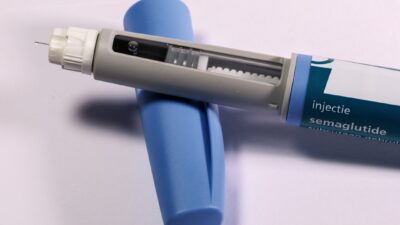
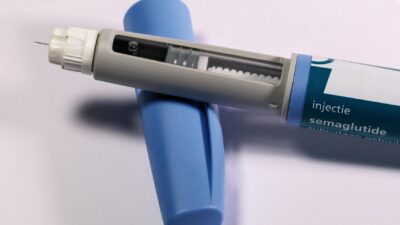
Is Mounjaro safe? For most adults who meet the FDA-approved indications and are screened for contraindications, Mounjaro (tirzepatide) has a well-characterized safety profile dominated by gastrointestinal side effects, with rarer but serious warnings around thyroid tumors, pancreatitis, and gallbladder disease. Safety always depends on your individual health history, so the answer belongs to your prescriber.
What Mounjaro Is and Who It Is For
Mounjaro is the brand name for tirzepatide, a once-weekly injectable approved by the U.S. Food and Drug Administration in May 2022 for adults with type 2 diabetes. The same molecule is marketed as Zepbound for chronic weight management. Tirzepatide activates two incretin receptors — GIP and GLP-1 — which helps lower blood glucose, slow gastric emptying, and reduce appetite.
The drug is not approved for type 1 diabetes and is not a first-line treatment for prediabetes. If you are navigating earlier stages of glucose dysregulation, our treatment hub and guide to whether prediabetes is reversible outline evidence-based first steps that do not involve pharmacotherapy.
Common Side Effects Reported in Clinical Trials
In the SURPASS program published in The New England Journal of Medicine, the most frequent adverse events were gastrointestinal and typically occurred during dose escalation. Most resolved without the drug being discontinued.
| Side Effect | Approximate Incidence | Typical Pattern |
|---|---|---|
| Nausea | 12% to 22% | Worst in first weeks after dose increase |
| Diarrhea | 12% to 17% | Usually mild, improves with titration |
| Decreased appetite | Up to 11% | Expected mechanism, can be beneficial |
| Constipation | 6% to 11% | Manageable with hydration and fiber |
| Vomiting | 5% to 13% | Often triggered by high-fat meals |
| Injection-site reaction | 3% to 5% | Localized, self-limited |
Serious Warnings and Contraindications
According to the FDA-approved prescribing information, tirzepatide carries a boxed warning about thyroid C-cell tumors observed in rodent studies. Because the relevance to humans is unknown, the drug is contraindicated in anyone with a personal or family history of medullary thyroid carcinoma (MTC) or multiple endocrine neoplasia syndrome type 2 (MEN 2).
Additional labeled risks include acute pancreatitis, gallbladder disease, acute kidney injury (often related to dehydration from vomiting), hypersensitivity reactions, and diabetic retinopathy complications in patients with a history of retinopathy. Hypoglycemia risk increases when Mounjaro is combined with insulin or sulfonylureas.
Populations Where Extra Caution Applies
- Pregnant or breastfeeding individuals — not recommended based on animal reproductive data.
- People with severe gastroparesis or other gastrointestinal disease.
- Those with a history of pancreatitis — benefits must be weighed against recurrence risk.
- Older adults, where dehydration and kidney effects may compound faster.
How Clinicians Monitor Safety
Prescribers typically order baseline labs — hemoglobin A1C, kidney function, and sometimes lipase — and then reassess at regular intervals. Dose escalation follows the label’s stepwise schedule, generally every four weeks, to minimize gastrointestinal intolerance. Reporting new symptoms early (persistent abdominal pain, vision changes, neck swelling) allows clinical teams to intervene before complications progress.
The American Diabetes Association’s 2024 Standards of Care recognize tirzepatide as a highly effective option in adults with type 2 diabetes who have obesity or cardiovascular risk factors, while reiterating that any GLP-1-based therapy is an adjunct to — not a replacement for — nutrition and activity changes.
Drug Interactions Worth Knowing
Tirzepatide slows gastric emptying, which can alter absorption of oral medications. Oral contraceptive effectiveness may be reduced after initiation and each dose increase; a barrier method or a non-oral option is often advised for four weeks after each step-up. Combining tirzepatide with sulfonylureas or insulin raises the chance of hypoglycemia, and dose adjustments of those drugs may be needed.
Post-Marketing Surveillance Findings
Since approval, the FDA Adverse Event Reporting System (FAERS) has received reports consistent with the trial safety profile, plus emerging signals about gastroparesis-like symptoms that persist after discontinuation in a small number of users. These reports do not establish causation but inform the labeled language on delayed gastric emptying. Anesthesiology societies now recommend pausing GLP-1 and dual-incretin therapies before elective procedures to reduce aspiration risk — a practical consideration for any patient planning surgery, colonoscopy, or upper endoscopy.
The Bottom Line
For FDA-indicated patients screened against the contraindications, Mounjaro has a manageable safety profile dominated by transient gastrointestinal effects, alongside rarer but meaningful warnings about thyroid tumors, pancreatitis, and gallbladder disease. Whether it is safe for you depends on your medical history, other medications, and ongoing monitoring. Use this overview as a framework for questions to bring to your clinician — they are the only person positioned to personalize the risk-benefit calculation.