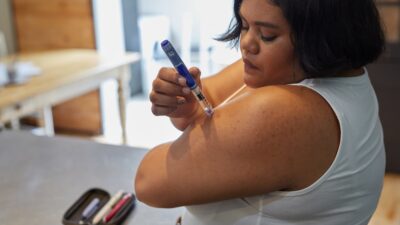
Oral GLP-1 medications are tablet versions of glucagon-like peptide-1 receptor agonists, a class of drugs that help lower blood glucose and, in many users, reduce appetite. The first oral GLP-1 approved by the FDA is Rybelsus (oral semaglutide), a daily tablet for adults with type 2 diabetes.
What “Oral GLP-1” Actually Means
GLP-1 is a hormone released by the gut after meals. It tells the pancreas to release insulin, slows stomach emptying, and signals fullness to the brain. GLP-1 receptor agonists are synthetic molecules that activate the same receptor. Historically these drugs had to be injected because the peptide structure would be destroyed by stomach acid.
Oral semaglutide solved that problem by pairing the drug with an absorption enhancer called SNAC, which protects the molecule long enough for it to cross into the bloodstream through the stomach lining. That breakthrough made Rybelsus the first FDA-approved oral GLP-1 and opened a path for additional tablet-based GLP-1 drugs in development.
Who Takes Oral GLP-1 Medications
Rybelsus is FDA-approved as an add-on to diet and exercise for adults with type 2 diabetes. It is not a first-line therapy under most guidelines; metformin and lifestyle changes typically come first. Clinicians often consider an oral GLP-1 when metformin alone is not enough, or when a person prefers tablets over weekly injections.
If you are in the prediabetes range, oral GLP-1 is not the standard recommendation. Instead, the prediabetes treatment approach emphasizes weight loss, activity, and sometimes metformin. A clinician would weigh whether any prescription is warranted based on your A1C level, other conditions, and risk factors.
Oral GLP-1 vs. Injectable GLP-1 at a Glance
| Feature | Oral GLP-1 (Rybelsus) | Injectable GLP-1 (e.g., Ozempic) |
|---|---|---|
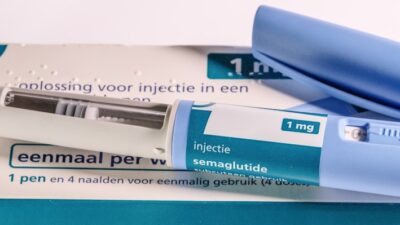
| Dosing frequency | Once daily tablet | Once weekly injection |
| Administration rules | Empty stomach, 4 oz water, wait 30 minutes | Inject subcutaneously; no food restrictions |
| Typical A1C reduction | 1.0 to 1.4 percent at highest dose | 1.0 to 1.8 percent at highest dose |
| Typical weight effect | Modest weight loss | Modest to substantial weight loss |
| Common side effects | Nausea, diarrhea, abdominal pain | Nausea, vomiting, diarrhea, injection-site reactions |
How to Take Oral GLP-1 Correctly
The absorption rules for Rybelsus are unusually strict. According to the FDA label, the tablet must be taken on an empty stomach when you first wake, with no more than 4 ounces of plain water. You then wait at least 30 minutes before eating, drinking anything else, or taking other oral medicines. Skipping these steps reduces absorption and can make the medication ineffective.
Because the timing is unforgiving, clinicians typically counsel new users to build the tablet into a fixed morning routine. If you commonly start the day with coffee or a glass of juice, you will need to reorder your habits so the tablet is the first thing you swallow after waking.
Side Effects and Safety Considerations
The side-effect profile for oral GLP-1 mirrors injectable GLP-1. Nausea, diarrhea, vomiting, abdominal pain, and constipation are the most commonly reported issues, especially during the first weeks of dose escalation. Most symptoms ease over time but a subset of users stop treatment because of persistent gastrointestinal discomfort.
More serious risks listed in the prescribing information include pancreatitis, diabetic retinopathy complications in people with pre-existing eye disease, acute kidney injury from severe dehydration, and thyroid C-cell tumors in animal studies. Rybelsus is contraindicated for people with a personal or family history of medullary thyroid carcinoma or multiple endocrine neoplasia syndrome type 2.
The Pipeline of New Oral GLP-1 Candidates
Multiple drug makers are now developing oral GLP-1 and combination incretin drugs. The most advanced candidate is Eli Lilly’s orforglipron, a small-molecule oral GLP-1 receptor agonist that avoids the strict fasting rules required by Rybelsus because it is not a peptide. Phase 3 trial results have been reported publicly, though FDA approval has not yet been granted as of 2026. Other small-molecule oral GLP-1 candidates from Pfizer, Structure Therapeutics, and other sponsors are in various trial phases.
If any of these candidates is approved, the oral GLP-1 category could expand substantially. For now, Rybelsus remains the only FDA-approved oral GLP-1 you can fill at a US pharmacy.
How Oral GLP-1 Fits With Lifestyle Change
The FDA label describes Rybelsus as an adjunct to diet and physical activity, not a replacement. People who keep working on diet and nutrition habits and regular movement while on the medication tend to see better glucose and weight outcomes. Stopping the drug typically leads to rebound in appetite and glucose, which is why clinicians usually frame GLP-1 therapy as long-term rather than a short course. Any discussion about starting, pausing, or ending an oral GLP-1 should go through your prescriber.
The Bottom Line
Oral GLP-1 medications deliver the same receptor activity as injectable GLP-1 drugs in a daily tablet form. Rybelsus is currently the only FDA-approved oral GLP-1 and is indicated for type 2 diabetes. Absorption requires strict fasting conditions, and the side-effect profile is similar to injectable versions. Whether an oral GLP-1 is right for you is a decision for a licensed clinician who can consider your diagnosis, other medications, and tolerance.
Medical disclaimer: This article is for educational purposes only and does not replace medical advice. Always consult a qualified healthcare provider before starting, stopping, or changing any medication.