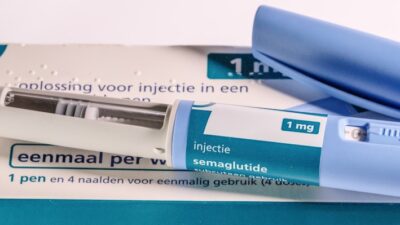
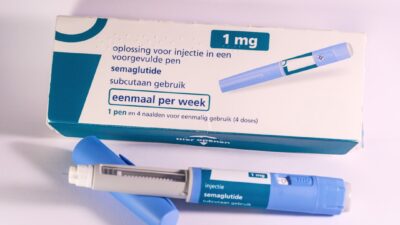
Approved semaglutide injection sites are the abdomen, the front or outer thigh, and the back of the upper arm. Semaglutide – sold as Ozempic for type 2 diabetes and Wegovy for chronic weight management – is delivered subcutaneously once a week, and good site selection with weekly rotation helps keep absorption steady and the skin healthy.
Why Site Selection Matters
Subcutaneous medications like semaglutide rely on the fatty layer beneath the skin for slow, predictable absorption. Injecting into muscle or a thin spot can change release timing and increase discomfort. According to FDA prescribing information, semaglutide is administered once weekly, and the pen can be used in any of the three approved areas as long as good technique is followed.
The Three Approved Areas
- Abdomen: Typically the easiest area to see and access. Stay at least two inches away from the navel and avoid the beltline.
- Front or outer thigh: A broad area with plenty of subcutaneous tissue. Most people use the upper-mid thigh while seated.
- Back of the upper arm: Often requires a caregiver because reaching the correct zone can be awkward.
Your clinician or pharmacist should walk you through the first injection and confirm technique. The American Diabetes Association publishes consensus guidance on subcutaneous injection technique that underpins much of the training content prescribers use.
Site Rotation at a Glance
| Week | Site Example | Notes |
|---|---|---|
| 1 | Left abdomen | At least two inches from navel |
| 2 | Right abdomen | Opposite side of abdomen |
| 3 | Left thigh | Front or outer portion |
| 4 | Right thigh | Alternate from previous week |
| 5 | Upper arm (if comfortable) | Often needs caregiver help |
| 6 | Return to abdomen | Different spot than week 1 |
What to Avoid
- Bruised, swollen, or painful skin
- Scars, tattoos, stretch marks at tender stages
- Active rashes, eczema, or skin infections
- Recent surgical incisions or hernias
- Lumpy or thickened tissue (possible lipohypertrophy)
- Within two inches of the navel
Reducing Injection Discomfort
Most people feel only a brief pinch. Comfort strategies commonly discussed with clinicians include letting the pen reach room temperature first, relaxing the muscle of the chosen area, keeping the skin dry and clean, and applying a cool pack briefly before the injection. If pain is sharp or persistent, stop and consult your prescriber – technique or site may need adjustment.
Signs a Site Should Be Retired for a While
Temporary redness is common, but skin that stays firm, lumpy, numb, or discolored should be given a rest for several weeks. Persistent changes may reflect lipohypertrophy or lipoatrophy, which can make absorption erratic. Report these to your clinician at your next visit – they can examine the area and advise on rotation.
Injection Safety Basics
General safety principles taught to patients include using only the prescribed pen, not sharing pens or needles with anyone else (even family members), inspecting the pen for cloudiness or damage, and disposing of used devices in an FDA-cleared sharps container. The Centers for Disease Control and Prevention provides home sharps disposal guidance. Do not throw pens into regular trash or recycling.
When to Call Your Clinician
- Severe pain, swelling, or infection at an injection site
- Persistent lump, numbness, or skin color change
- Suspected muscle injection or accidental intravenous delivery
- Allergic symptoms such as rash, hives, or breathing difficulty
- Severe abdominal pain, persistent vomiting, or jaundice (unrelated to site but still urgent)
Consistency Helps, But Sites Do Not Have to Match
You can change sites week to week. Semaglutide’s weekly subcutaneous delivery does not require matching last week’s spot for a good response. What matters is that each injection lands in a healthy subcutaneous area with good technique. If you are thinking about GLP-1 therapy more broadly, see our treatment hub. If you are earlier in the metabolic spectrum, our prediabetes reversibility guide and A1C levels page cover lifestyle-first strategies.
Travel and Storage Reminders
Pens are typically refrigerated until use and can be kept at room temperature for a limited window per the manufacturer’s label. Protect pens from heat, sunlight, and freezing. For travel, use an insulated case and keep the pen in your carry-on, not in a checked bag, where temperature extremes are possible.
The Bottom Line
Semaglutide injection sites are the abdomen, thigh, and upper arm. Rotate sites week to week, avoid skin that is damaged or atypical, and follow the hands-on technique your clinician or pharmacist taught you. Good site choice and rotation keep absorption predictable and the skin healthy. For any injection-site concern that lingers, contact your prescriber rather than troubleshooting on your own.
Medical disclaimer: This article is educational and not a substitute for medical advice or individualized injection training. Always follow your prescriber’s instructions.