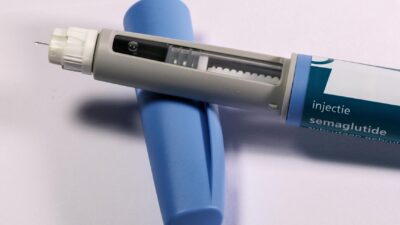
Tirzepatide produced about 5 percentage points more weight loss than semaglutide in the head-to-head SURMOUNT-5 trial, and slightly larger A1C reductions in earlier diabetes trials. Both drugs work by mimicking gut hormones that regulate blood sugar and appetite, but their mechanisms differ in one important way: semaglutide acts on a single receptor (GLP-1), while tirzepatide acts on two (GLP-1 and GIP). That difference, combined with newer trial data, has made the comparison one of the most-asked questions in diabetes treatment.
How Each Drug Works
Semaglutide is a GLP-1 receptor agonist. It mimics glucagon-like peptide-1, a hormone your gut releases after eating. The hormone tells your pancreas to release insulin, slows stomach emptying, and signals fullness to the brain. The result is lower post-meal glucose, smaller appetite, and reduced food intake.
Tirzepatide does all of the above but adds a second receptor target: GIP (glucose-dependent insulinotropic polypeptide). GIP works alongside GLP-1 in the natural gut hormone response. By engaging both pathways, tirzepatide is theorized to amplify the same effects more strongly than GLP-1 alone, though the exact contribution of GIP activation to weight loss is still debated among researchers.
Head-to-Head Trial Results
The most direct comparison is SURMOUNT-5, a 72-week trial published in the New England Journal of Medicine in 2025 that randomized 751 adults with obesity (but without diabetes) to maximum-tolerated doses of either drug. Tirzepatide outperformed semaglutide on every primary and secondary outcome measured.
| Outcome | Tirzepatide (15 mg) | Semaglutide (2.4 mg) |
|---|---|---|
| Mean body weight reduction | 20.2% | 13.7% |
| ≥15% weight loss achieved | 64.6% | 40.1% |
| ≥25% weight loss achieved | 31.6% | 16.1% |
| Mean waist reduction (cm) | -18.4 | -13.0 |
For type 2 diabetes outcomes specifically, the SURPASS trial program for tirzepatide and the SUSTAIN program for semaglutide showed tirzepatide achieved A1C reductions roughly 0.3-0.5 percentage points larger than semaglutide at comparable doses, though the trials were not designed as direct comparisons.
Brand Names and Approved Indications
Semaglutide is sold under three brand names in the United States:
- Ozempic — weekly injection, FDA approved for type 2 diabetes
- Wegovy — weekly injection, FDA approved for chronic weight management
- Rybelsus — daily oral tablet, FDA approved for type 2 diabetes
Tirzepatide is sold under two brand names:
- Mounjaro — weekly injection, FDA approved for type 2 diabetes
- Zepbound — weekly injection, FDA approved for chronic weight management and obstructive sleep apnea with obesity
Insurance coverage depends on indication. Diabetes formulations are more often covered; weight-loss formulations face more frequent prior authorization or denial. Off-label prescribing of Ozempic for weight loss continues despite the existence of Wegovy, often driven by formulary access.
Side Effect Comparison
Both drugs share an essentially identical side-effect profile because both work primarily through GLP-1 signaling. The most common side effects are gastrointestinal and dose-dependent:
- Nausea: 20-30% of users at typical doses; peaks during dose escalation
- Diarrhea: 12-22%
- Constipation: 11-17%
- Vomiting: 6-15%
- Decreased appetite: expected effect, not necessarily adverse
Both carry FDA boxed warnings about thyroid C-cell tumors based on rodent studies. Both should be avoided in patients with a personal or family history of medullary thyroid carcinoma or multiple endocrine neoplasia syndrome type 2. Pancreatitis is a rare but serious risk for both. Tirzepatide showed slightly higher rates of nausea and diarrhea in some studies, but the difference is not clinically dramatic and individual variation is large.
Dosing Schedules
Both drugs use a slow titration schedule to minimize gastrointestinal side effects. Semaglutide for diabetes starts at 0.25 mg weekly for 4 weeks, then 0.5 mg, then optionally 1 mg, with a maximum of 2 mg. Semaglutide for weight loss (Wegovy) titrates monthly to 2.4 mg.
Tirzepatide starts at 2.5 mg weekly and increases by 2.5 mg every 4 weeks up to a maximum of 15 mg. The more granular titration steps may make tolerability management easier for some patients.
Cost Considerations
Both drugs are expensive without insurance — list prices range from about $1,000 to $1,400 per month. Manufacturer savings cards and patient assistance programs can reduce costs for eligible patients. The compounded versions of both drugs are sold at substantially lower prices through telehealth platforms, but the FDA has issued repeated warnings about safety, dosing accuracy, and contamination risks with compounded GLP-1 medications.
Which Should You Choose?
The honest answer is that this is a clinical decision driven by your individual goals, insurance, and tolerability — not a contest with a single winner. Tirzepatide produces more average weight loss and stronger A1C reductions in head-to-head data, but semaglutide has a longer post-market safety record and more diverse formulation options (including the oral Rybelsus). For many patients, the practical question becomes which one your insurance covers and which dose escalation you tolerate better. Both are considered first-line options by current American Diabetes Association guidelines for people who need both glycemic control and meaningful weight loss.
The Bottom Line
Tirzepatide is more potent on average for both weight loss and A1C reduction, with head-to-head trial data showing a meaningful gap in efficacy. Semaglutide remains a strong option with a longer track record and more formulation flexibility. The drugs share the same gastrointestinal side-effect profile and similar safety warnings. Your prescriber should match the choice to your A1C goal, weight-loss goal, insurance coverage, and tolerance to dose escalation. Consult your doctor before starting, switching, or stopping either medication.