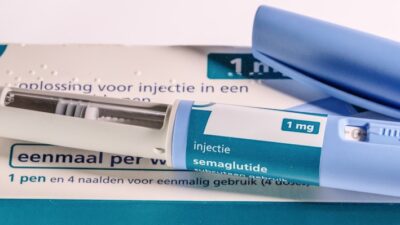
Tirzepatide dosing follows a slow, stepwise titration designed to balance effectiveness against side effects. You start at 2.5 mg once weekly for the first four weeks, then increase by 2.5 mg every four weeks as tolerated, up to a maximum of 15 mg weekly. Whether you are on Mounjaro (for type 2 diabetes) or Zepbound (for weight management), the schedule is the same.
The Full Titration Schedule
| Week Range | Weekly Dose | Purpose | Expected Weight Change |
|---|---|---|---|
| Weeks 1-4 | 2.5 mg | Starting dose for tolerance | Minimal |
| Weeks 5-8 | 5 mg | First maintenance option | 4-6% loss |
| Weeks 9-12 | 7.5 mg | Titration step | 6-9% loss |
| Weeks 13-16 | 10 mg | Second maintenance option | 10-14% loss |
| Weeks 17-20 | 12.5 mg | Titration step | 13-17% loss |
| Week 21+ | 15 mg (max) | Highest maintenance dose | 17-22% loss |
Weight loss figures reflect SURMOUNT-1 averages at 72 weeks. Individual results vary widely.
Why the Slow Ramp-Up Matters
Jumping doses too quickly is the top cause of severe side effects. The 2.5 mg starter dose is not meant to produce weight loss — it is designed to let your gut adjust. Many patients feel significant nausea the first few days after each step up, which then fades over a week or two. Staying on a given step for the full four weeks helps your body acclimate and reduces the chance of dropping out of therapy entirely.
According to the Zepbound prescribing information, up to 14 percent of patients never progress past 5 mg because of side effects — and that is fine. Some of the best responders settle at 5 or 10 mg long term.
How to Inject Tirzepatide Correctly
- Check the pen. Confirm the dose on the label matches your prescription. Look for clear, colorless liquid.
- Warm the pen. Let it sit at room temperature 15 to 30 minutes if stored cold. Cold injections hurt more.
- Pick a site. Abdomen (two inches from navel), front of thigh, or back of upper arm.
- Rotate each week. Alternating sites reduces lipodystrophy and local irritation.
- Clean with alcohol. Let it dry before injecting.
- Inject. Press the pen against skin, press the button, hold for the count listed (usually 5 to 10 seconds).
- Dispose safely. Sharps container, not household trash.
Missed Dose Rules
- Less than 4 days late: Take it as soon as you remember, then resume your normal weekly day.
- More than 4 days late: Skip the missed dose entirely and take the next one on your regular day.
- Never take two doses within 3 days of each other. Doubling up increases side-effect risk substantially.
- Changing your weekly day: Allowed as long as at least 3 days have passed since the last dose.
What to Eat on Tirzepatide
Diet strategy changes once your appetite drops. Most patients eat 30 to 50 percent fewer calories at peak doses. Focus on nutrient-dense choices to avoid muscle loss and fatigue:
- Protein first: Aim for 0.7 to 1.0 g per pound of goal body weight daily
- Hydrate: 64 to 96 ounces of water daily, more in hot weather
- Fiber: 25 to 35 g daily to prevent constipation
- Avoid greasy, fried, spicy foods: These dramatically worsen nausea
- Small, frequent meals: 4-5 small meals beat 2 large ones
Building habits that outlast the medication is just as important as the drug itself. See our diet and nutrition guide for meal-planning basics.
Side Effects by Dose Level
Per Mounjaro trial data, side effect frequency generally rises with dose:
| Side Effect | 5 mg | 10 mg | 15 mg |
|---|---|---|---|
| Nausea | 17% | 22% | 25% |
| Diarrhea | 14% | 15% | 17% |
| Constipation | 7% | 9% | 11% |
| Vomiting | 6% | 10% | 13% |
| Abdominal pain | 6% | 7% | 10% |
Serious but rare effects include pancreatitis, gallbladder disease, kidney injury, and possible thyroid tumors (animal finding). Tirzepatide is not for patients with medullary thyroid carcinoma, MEN 2 syndrome, or a history of pancreatitis.
When to Call Your Doctor
- Severe abdominal pain that radiates to the back
- Vomiting more than 24 hours
- Signs of dehydration
- Yellowing of skin or eyes
- New neck lump or difficulty swallowing
- Severe allergic reactions
If you are just starting and comparing options, check our overview of prediabetes and diabetes treatments.
The Bottom Line
Tirzepatide dosing is deliberately slow: 2.5 mg for a month, then 2.5 mg increments every four weeks, capped at 15 mg. The starter dose is about tolerance, not results — meaningful effects begin at 5 mg and scale up from there. Follow the schedule, watch for warning signs, pair the injection with a high-protein diet and adequate hydration, and work closely with your prescriber to find the dose that works for your body and goals.
Medical disclaimer: This article is for educational purposes only and is not a substitute for professional medical advice. Always consult your doctor before starting, stopping, or changing any medication.