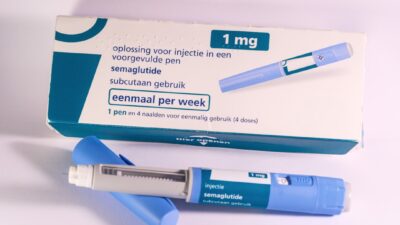
What is GLP-1? GLP-1 (glucagon-like peptide-1) is a natural hormone released by your gut after eating. It stimulates insulin, suppresses glucagon, slows gastric emptying, and signals fullness to the brain. A major class of diabetes and weight loss medications—including semaglutide (Ozempic, Wegovy) and liraglutide (Victoza)—mimics this hormone to improve blood sugar control and support weight loss.
The Science: How GLP-1 Works
GLP-1 is one of the incretin hormones, secreted by L-cells in the small intestine within minutes of eating. It has four main actions:
- Boosts insulin release—but only when blood glucose is elevated.
- Suppresses glucagon, which lowers liver glucose output.
- Slows gastric emptying, flattening post-meal glucose curves.
- Acts on the brain to reduce appetite and food reward.
Per Drucker’s 2018 review in Cell Metabolism, people with type 2 diabetes have a blunted incretin response—GLP-1 agonist drugs restore that signaling.
GLP-1 vs. Insulin
| Feature | GLP-1 | Insulin |
|---|---|---|
| Source | Gut L-cells | Pancreatic beta cells |
| Trigger | Food intake | Rising blood glucose |
| Hypoglycemia risk | Low (glucose-dependent) | Higher |
| Appetite effect | Strong suppression | Promotes storage, can increase hunger |
| Gastric effect | Slows emptying | None direct |
GLP-1 Receptor Agonist Medications
These drugs bind to the same receptor as natural GLP-1 but resist degradation, allowing once-daily or once-weekly dosing. FDA-approved GLP-1 agonists include:
For Type 2 Diabetes
- Semaglutide (Ozempic—injectable; Rybelsus—oral)
- Liraglutide (Victoza)
- Dulaglutide (Trulicity)
- Exenatide (Byetta, Bydureon)
For Chronic Weight Management
- Semaglutide (Wegovy)
- Liraglutide (Saxenda)
Dual Agonists
- Tirzepatide (Mounjaro for diabetes, Zepbound for weight)—also activates GIP receptor
Each is dosed with a titration schedule to limit GI side effects. See the Ozempic prescribing information for a representative example.
What GLP-1 Drugs Do Clinically
Blood Sugar Control
Typical A1C reductions of 1.0–2.0% at maintenance doses. Effects kick in within weeks.
Weight Loss
Semaglutide 2.4 mg produced ~14.9% weight loss at 68 weeks in the STEP-1 trial; tirzepatide 15 mg reached ~20.9% in SURMOUNT-1.
Cardiovascular Benefits
Semaglutide and liraglutide have demonstrated reduced cardiovascular events—heart attack, stroke, cardiovascular death—in high-risk patients.
Kidney Benefits
Emerging data suggest slowed progression of chronic kidney disease in people with type 2 diabetes.
Common Side Effects
The same mechanisms that make GLP-1 drugs effective also drive side effects. Most are mild-to-moderate and concentrate after dose increases:
- Nausea
- Diarrhea
- Constipation
- Vomiting
- Abdominal pain
- Injection site reactions (for injectables)
Practical management: smaller meals, protein first, hydration, avoid high-fat or fried foods in the first week after titration.
Serious but Rare Risks
- Pancreatitis—severe abdominal pain needs evaluation
- Gallbladder disease
- Kidney injury (often dehydration-related)
- Diabetic retinopathy worsening (semaglutide)
- Severe hypoglycemia when combined with insulin or sulfonylureas
All GLP-1 drugs carry an FDA boxed warning for thyroid C-cell tumors based on rodent studies. Do not use with a history of medullary thyroid carcinoma or MEN 2.
GLP-1 and Prediabetes
Most GLP-1 drugs are not FDA-approved specifically for prediabetes, but people with prediabetes and BMI over 27 often qualify for weight-management indications. Large trials show that GLP-1 weight loss reduces progression to type 2 diabetes substantially. See our treatment hub for how these fit into broader prediabetes care.
The CDC’s Diabetes Prevention Program shows 5–7% weight loss via lifestyle alone reduces diabetes risk by 58%. GLP-1 drugs amplify the weight-loss piece for people who struggle with lifestyle change alone.
How to Know If GLP-1 Is Right for You
Talk to your clinician if you have:
- Type 2 diabetes with suboptimal A1C control
- BMI 30+ or BMI 27+ with weight-related conditions
- Cardiovascular disease and type 2 diabetes
- Prediabetes with difficulty losing weight
Our prediabetes 101 hub covers the broader picture, and tracking your A1C levels helps gauge progress.
Cost, Access, and Shortages
List prices for GLP-1 drugs range roughly $900–$1,300 monthly. Insurance coverage varies widely; savings cards and manufacturer programs may reduce out-of-pocket costs. Demand has caused intermittent shortages, especially for Wegovy and Zepbound.
The Bottom Line
GLP-1 is a natural gut hormone, and drugs that mimic it are transforming diabetes and weight management. Used appropriately, GLP-1 receptor agonists reliably reduce A1C by 1–2% and drive meaningful weight loss with cardiovascular benefits. They are not for everyone—side effects, cost, and long-term commitment are real considerations—but for the right patient, they are a powerful tool alongside lifestyle change.
This article is educational and not a substitute for personalized medical advice. Always consult your healthcare provider about symptoms, testing, and treatment.