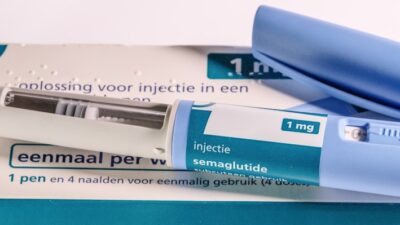
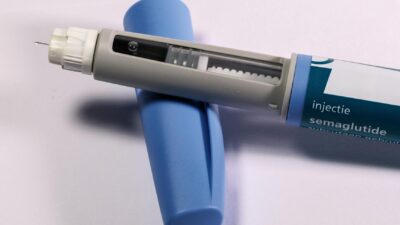
Zepbound vials are small glass containers of tirzepatide, the active ingredient in Eli Lilly’s FDA-approved chronic weight management drug. Unlike the Zepbound pen, vials require you to draw each dose into a syringe manually. Eli Lilly introduced the vial format in 2024 to expand access for eligible patients.
What’s Inside a Zepbound Vial
Each single-dose Zepbound vial contains tirzepatide, a peptide that activates two gut-hormone receptors: glucagon-like peptide-1 (GLP-1) and glucose-dependent insulinotropic polypeptide (GIP). This dual action is the mechanism behind tirzepatide’s strong effects on blood glucose and appetite. Zepbound is FDA-approved for adults with obesity or adults with overweight and at least one weight-related condition.
Vials are sold in single-dose amounts. The vial format differs from the Zepbound pen, which is a pre-filled autoinjector that delivers a set dose with one push. Both contain the same active drug.
Why Eli Lilly Introduced the Vial Format
When Zepbound launched, the only delivery method was the pen. In August 2024, Eli Lilly announced vial availability to improve affordability and supply for eligible adults. Vials are typically priced lower than the equivalent pen dose and are distributed through specific manufacturer channels.
The shift also gave Lilly more flexibility during the tirzepatide shortage, because filling vials consumes less manufacturing capacity than assembling autoinjector pens. For patients, the trade-off is that using a vial requires slightly more hands-on preparation than clicking a pen.
Pen vs. Vial: Key Differences
| Feature | Zepbound Pen | Zepbound Vial |
|---|---|---|
| Format | Pre-filled autoinjector | Single-dose glass vial |
| Syringe needed | No (built in) | Yes (separate sterile syringe) |
| Dose measurement | Pre-set | Drawn by user per label instructions |
| Typical price | Higher list price | Lower list price through manufacturer program |
| Storage | Refrigerate until first use | Refrigerate until use |
How Tirzepatide Helps With Weight and Glucose
Tirzepatide activates GLP-1 and GIP receptors, which together slow stomach emptying, signal fullness, and prompt the pancreas to release insulin in response to meals. Clinical trials supporting Zepbound’s approval showed average weight loss of roughly 15 to 22 percent of body weight over 72 weeks in adults on the highest doses, alongside lifestyle counseling.
These effects matter for anyone with excess weight, including those in the prediabetes range. That said, Zepbound is not FDA-approved for prediabetes. Standard prediabetes treatment still leads with lifestyle change, and reversing prediabetes with diet and activity remains the first goal for most adults.
Side Effects to Know About
Gastrointestinal side effects dominate the safety profile. The FDA label lists nausea, diarrhea, constipation, vomiting, abdominal pain, and injection-site reactions as common. Most ease over time as the body adjusts during dose titration, but some users discontinue treatment because of persistent symptoms.
More serious risks include pancreatitis, gallbladder disease, acute kidney injury from severe vomiting, and diabetic retinopathy complications in people with pre-existing eye disease. Tirzepatide carries a boxed warning about thyroid C-cell tumors observed in rodents. It is contraindicated for anyone with a personal or family history of medullary thyroid carcinoma or multiple endocrine neoplasia syndrome type 2, as well as during pregnancy.
Using a Zepbound Vial Safely
Zepbound vials are prescription-only. The package insert describes how a qualified clinician or pharmacist should counsel you on drawing the correct dose, using a sterile syringe, and rotating injection sites. Do not attempt to split doses, reuse vials, or mix tirzepatide with other drugs. Any unused medication must be discarded, and sharps should be disposed of in an FDA-cleared container.
Avoid sourcing Zepbound or tirzepatide from online vendors who are not licensed pharmacies. The FDA has warned about unapproved compounded tirzepatide and counterfeit products linked to adverse events. If your prescriber and pharmacy cannot verify the source, do not inject.
The Bottom Line
Zepbound vials are a lower-priced, manually drawn format of the same tirzepatide found in the Zepbound pen. They are FDA-approved for chronic weight management in eligible adults and offer additional flexibility during supply constraints, but they require careful handling of a syringe and sterile technique. Any decision about starting Zepbound or switching between formats should be made with a licensed clinician who can consider your health history and alternatives.
Medical disclaimer: This article is for educational purposes only and does not replace medical advice. Always consult a qualified healthcare provider before starting, stopping, or changing any medication.