An insulin resistance diet centers on non-starchy vegetables, lean protein, healthy fats, fiber-rich whole grains, and legumes, while minimizing refined sugar, ultra-processed foods, and sugary drinks. Clinical trials show this pattern can improve insulin sensitivity by 10 to 20 percent within 8 to 12 weeks, reducing A1C and lowering the risk of progressing from prediabetes to type 2 diabetes.
Why Insulin Resistance Responds to Food
Insulin resistance is a state where your muscles, liver, and fat cells respond weakly to insulin. The pancreas compensates by making more, and the resulting hyperinsulinemia drives weight gain, high blood pressure, and elevated fasting glucose. Diet has a direct effect because certain foods, especially refined carbs and added sugars, demand massive insulin releases. Cutting that demand lets cells recover their sensitivity.
The evidence is strongest for Mediterranean-style, DASH, and low-glycemic patterns. These approaches share a few anchors: minimally processed whole foods, generous fiber, and fats from olives, fish, nuts, and seeds.
The Foundational Food Groups
| Food Group | Eat Freely | Limit or Skip |
|---|---|---|
| Vegetables | Leafy greens, broccoli, peppers, zucchini, cauliflower | French fries, tempura |
| Protein | Fish, chicken, tofu, eggs, Greek yogurt, beans | Processed meats, fried chicken |
| Grains | Steel-cut oats, quinoa, barley, brown rice | White bread, sugary cereals |
| Fats | Olive oil, avocado, nuts, seeds, fatty fish | Margarine with trans fats, fried oils |
| Fruits | Berries, apples, pears, citrus, stone fruit | Fruit juice, canned in syrup |
| Beverages | Water, unsweetened tea, black coffee | Soda, sweetened lattes, energy drinks |
Build Your Plate: The 50-25-25 Rule
A practical framework endorsed by the Centers for Disease Control and Prevention is:
- 50 percent non-starchy vegetables: spinach, kale, peppers, broccoli, cauliflower, cucumber
- 25 percent lean protein: salmon, chicken breast, tofu, beans, eggs, or Greek yogurt
- 25 percent slow carbs or whole grains: quinoa, farro, lentils, sweet potato, or brown rice
- Add 1-2 tablespoons healthy fat: olive oil, avocado, or a small handful of nuts
This simple plate structure controls portion size without needing to count calories or grams.
Sample Day on an Insulin Resistance Diet
Breakfast: Steel-cut oats topped with Greek yogurt, half a cup of blueberries, and 1 tablespoon of walnuts. Black coffee or unsweetened tea.
Snack: Apple slices with 2 tablespoons almond butter.
Lunch: Large mixed salad with grilled chicken, chickpeas, cucumber, tomato, olives, feta, and 1 tablespoon olive oil vinaigrette. Side of whole-grain pita.
Snack: Carrot sticks with hummus.
Dinner: Baked salmon, roasted broccoli and peppers, half a cup of quinoa with lemon.
Optional: A small square of dark chocolate (70 percent or higher) or a handful of berries.
Foods That Most Undermine Progress
The top offenders drive quick insulin spikes and little satiety:
- Sugar-sweetened beverages, including juice
- White bread, bagels, pastries, croissants
- Breakfast cereals with more than 8 grams added sugar per serving
- Candy, flavored yogurts, ice cream
- Deep-fried and ultra-processed snacks (chips, crackers)
- Sweetened coffee drinks and flavored lattes
Occasional indulgence will not derail results. Daily habits do. One realistic goal: cut added sugar to under 25 grams per day and refined grains to one serving or less.
Exercise and Sleep Multiply the Effect
Diet alone helps. Diet plus movement helps roughly twice as much. Aim for 150 minutes per week of moderate aerobic activity and two strength sessions. Muscle is the largest glucose sink in the body, and resistance training increases insulin sensitivity for up to 48 hours per session. Sleep under 6 hours a night raises fasting insulin by 15 to 25 percent in controlled studies, so protect 7 to 9 hours. Our treatment guide dives deeper into combining diet with physical activity and medications like metformin or GLP-1 agonists.
Tracking What Works
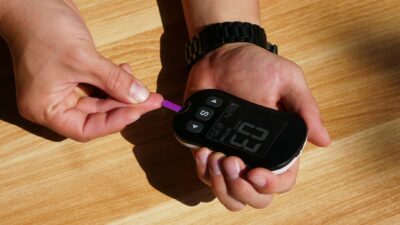
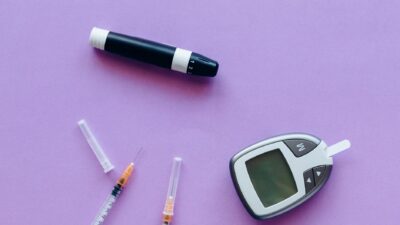
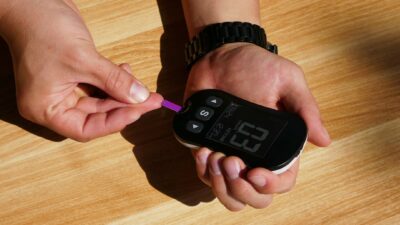
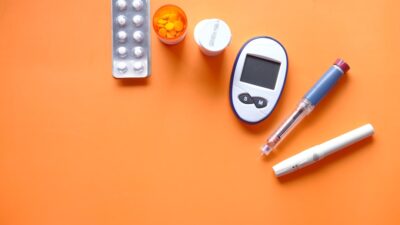
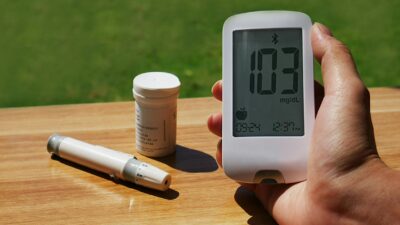
Request baseline labs (fasting insulin, fasting glucose, A1C, triglycerides, HDL) and recheck at 3 months. Home tools that add useful feedback include a glucose meter for occasional post-meal checks, a waist-to-hip measurement, and a weekly weight taken the same day each week. Small wins, such as a 3 to 5 pound weight loss or a 0.3 percent A1C drop, are enough to meaningfully improve resistance.
The Bottom Line
An insulin resistance diet is less about restriction and more about rebuilding your plate around whole foods. Mediterranean, DASH, and low-glycemic patterns all deliver measurable gains in insulin sensitivity within 8 to 12 weeks. Combine the diet with 150 weekly minutes of exercise and consistent sleep for the strongest result. Ask your clinician to track fasting insulin and A1C so you can see the progress in numbers, not just on the scale.
This article is for educational purposes only and does not replace personalized medical advice. Talk to your doctor or a registered dietitian before making major dietary changes, especially if you take glucose-lowering medications.