Low blood sugar without diabetes, known as non-diabetic hypoglycemia, is most often caused by reactive hypoglycemia after high-carb meals, prolonged fasting, heavy alcohol use, or certain medications. Hormonal conditions and rare insulin-producing tumors can also drop glucose below 70 mg/dL. Knowing what causes low blood sugar without diabetes helps you prevent repeat episodes and decide when to seek evaluation.
The Two Main Types of Non-Diabetic Hypoglycemia
Clinicians divide non-diabetic lows into two buckets. The distinction matters because treatment is different.
Reactive (postprandial) hypoglycemia happens within two to five hours after eating, usually after a carb-heavy meal. The pancreas over-releases insulin, and glucose dips too low. This is the most common form and responds well to dietary changes.
Fasting hypoglycemia occurs after skipping meals or overnight. It is less common and more likely to signal an underlying medical condition such as adrenal insufficiency, liver disease, or an insulinoma (a rare pancreatic tumor). Fasting lows warrant a workup beyond diet.
Top Causes of Low Blood Sugar Without Diabetes
According to the National Institute of Diabetes and Digestive and Kidney Diseases, the majority of non-diabetic hypoglycemia traces back to one of the following triggers.
| Cause | Mechanism | Typical Timing |
|---|---|---|
| Reactive hypoglycemia | Insulin overshoot after refined carbs | 2-5 hours after eating |
| Alcohol (especially on empty stomach) | Blocks liver glucose release | 6-36 hours after drinking |
| Medications (quinine, pentamidine, some antibiotics) | Stimulate insulin or impair gluconeogenesis | Variable |
| Post-bariatric dumping syndrome | Rapid stomach emptying triggers insulin surge | 1-3 hours after meals |
| Hormone deficiencies (cortisol, growth hormone) | Reduced counter-regulatory response | Fasting or morning |
| Insulinoma (rare) | Tumor secretes insulin independently | Fasting, often night |
| Severe liver or kidney disease | Reduced glucose production or clearance | Fasting |
How to Recognize an Episode
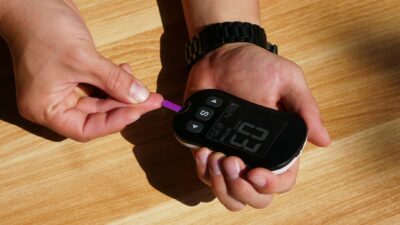
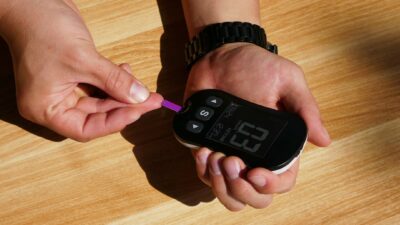
Low blood sugar typically shows up with a predictable cluster of symptoms: shakiness, sweating, rapid heartbeat, anxiety, hunger, and dizziness. As glucose drops further, you may experience confusion, slurred speech, blurred vision, or difficulty concentrating. Severe lows below 40 mg/dL can cause seizures or loss of consciousness. These physical symptoms overlap with those of other conditions, so a meter reading at the time of symptoms is the only definitive way to confirm hypoglycemia.
Clinicians use Whipple’s triad for diagnosis: symptoms consistent with low blood sugar, a measured glucose under 55 mg/dL, and resolution of symptoms after raising glucose. All three must be present.
What To Do When You Feel Low
Treat first, investigate later. The 15-15 rule is the standard protocol:
- Consume 15 grams of fast-acting carbohydrate (glucose tablets, 4 oz juice, 1 tablespoon honey, or regular soda)
- Wait 15 minutes
- Retest or reassess; repeat if still symptomatic
- Follow with a balanced snack containing protein and complex carbs to stabilize
Avoid chocolate, nuts, or peanut butter as a first response. The fat slows absorption and prolongs the episode.
Preventing Future Episodes
For most cases of reactive hypoglycemia, dietary structure does the heavy lifting. Review our diet and nutrition hub for meal-building principles. The core strategies are:
- Eat smaller meals every 3 to 4 hours rather than two or three large ones
- Pair any carbohydrate with protein, fat, or fiber
- Limit refined sugars, fruit juice, and sugary beverages, especially on an empty stomach
- Avoid drinking alcohol without food
- Watch caffeine intake, which can amplify adrenaline-like symptoms and mimic lows
If you have had bariatric surgery, a registered dietitian experienced in post-op care can help you build meals that avoid dumping syndrome. Note that people with prediabetes can still experience reactive lows; insulin resistance and insulin overshoot often coexist.
When to See a Doctor
Book an evaluation if you have documented readings under 55 mg/dL, lows that occur while fasting or overnight, symptoms that do not resolve with carbohydrate, or episodes with confusion or loss of consciousness. Your clinician may order a 72-hour supervised fast, a mixed-meal tolerance test, or hormone panels (cortisol, insulin, C-peptide, IGF-1) to pinpoint the cause. Don’t self-diagnose; several causes have very different treatments.
The Bottom Line
Most non-diabetic low blood sugar traces back to reactive hypoglycemia, alcohol, skipped meals, or medications, and responds to balanced eating and lifestyle tweaks. Persistent or severe episodes, especially fasting lows, deserve a medical workup to rule out hormonal, hepatic, or rare tumor-related causes. When in doubt, record your glucose during symptoms and bring the log to your clinician.
This article is for educational purposes only and is not a substitute for professional medical advice. Always consult your physician for persistent or severe low blood sugar episodes.