The Libre glucose monitor is a continuous glucose monitoring (CGM) system made by Abbott. It uses a small sensor worn on the upper arm to measure glucose in interstitial fluid and sends readings to a reader or smartphone app. It is one of the most widely used CGMs in the world and is FDA-cleared for people with diabetes; newer versions are also sold over the counter for adults without diabetes.
How the Libre Sensor Works
A Libre sensor consists of a small round patch with a thin filament that sits just under the skin. The filament uses an enzyme (glucose oxidase) to produce an electrical signal proportional to glucose in the surrounding interstitial fluid. That signal is translated into a glucose value and a trend arrow that shows whether levels are rising, falling, or stable.
Key functional details:
- Sensor is applied to the back of the upper arm with a one-time applicator.
- After a short warm-up, the sensor updates glucose readings about once per minute.
- Data is shown in the FreeStyle Libre app or a dedicated reader.
- Depending on model, the sensor lasts 14 to 15 days.
Libre Models at a Glance
| Model | Sensor Life | Data Transmission | Alarms |
|---|---|---|---|
| FreeStyle Libre 2 | 14 days | Scan reader/phone; automatic alarms | Yes (high, low, signal loss) |
| FreeStyle Libre 3 | 14 days | Continuous to phone | Yes |
| FreeStyle Libre 3 Plus | 15 days | Continuous to phone | Yes |
| Lingo / Libre Rio (OTC) | 14 days | Continuous to phone | Limited (model-specific) |
Availability of specific models depends on your region, prescription status, and pharmacy. Over-the-counter versions are positioned more as metabolic education tools than diagnostic medical devices.
Accuracy and What Affects It
Abbott reports a Mean Absolute Relative Difference (MARD) in the single digits for recent Libre sensors, which is comparable to other modern CGM systems. Several factors can affect accuracy:
- Interstitial lag. Interstitial glucose trails blood glucose by 5-10 minutes during rapid changes (after meals, exercise, or insulin).
- Day 1 variability. Some users report less consistent readings on day 1 of a new sensor.
- Compression lows. Sleeping on the sensor can produce falsely low readings.
- Dehydration. Low tissue hydration can distort interstitial measurements.
- Certain medications. High-dose vitamin C and some other substances can interfere; check the user guide.
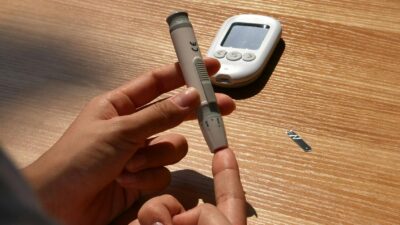
Always confirm an unexpected reading with a fingerstick before urgent treatment, especially if symptoms do not match the number. The FDA maintains device-specific information at fda.gov/medical-devices.
How People Use Libre Data
For people with diabetes, Libre supports daily dose decisions, pattern identification, and time-in-range metrics used in clinical care. For people with prediabetes or at risk, Libre can surface useful patterns without replacing medical testing. Common uses include:
- Seeing how specific meals affect your glucose trajectory
- Spotting overnight trends (dawn phenomenon, reactive drops)
- Observing how walks or workouts shift glucose
- Tracking stress and sleep impact on glucose variability
Pair CGM observations with the broader picture in our A1C levels guide and diet and nutrition hub. A single-day CGM snapshot is not a diagnosis; A1C and fasting glucose remain the ADA-recommended diagnostic tools.
Setup and Daily Use
- Apply the sensor. Clean the upper arm with an alcohol wipe, allow it to dry, then apply using the included applicator.
- Pair with the app. Install the FreeStyle Libre app, scan the sensor code, and wait for the warm-up period (typically 60 minutes).
- Review data. Check current glucose, trend arrow, and recent history. Modern apps show ambulatory glucose profiles over 14 days.
- Share with your clinician. LibreView and similar tools let your care team see patterns between visits.
Who Benefits Most
The ADA recognizes CGM as a valuable tool for people with type 1 and type 2 diabetes, particularly those on insulin. For people without diabetes, CGM is increasingly used for behavior change and education. If you have prediabetes, a CGM may help you observe patterns, but a structured lifestyle plan, conversations about reversibility, and clinician-ordered labs remain the foundation.
Limitations and Cautions
- Not a replacement for clinical diagnosis of diabetes or prediabetes
- Readings during rapid changes may lag fingerstick values
- Adhesive allergies or skin irritation can occur
- Sensors can be dislodged by strong impacts or certain adhesives
- Cost may be a barrier without insurance; check formulary coverage and over-the-counter options
Medical disclaimer: This article is educational only and is not medical advice. Do not change your diabetes management or start treatment based on CGM data without consulting a licensed clinician.
The Bottom Line
The FreeStyle Libre glucose monitor is a reliable, widely used CGM system that makes glucose patterns visible with a single arm sensor. It is most powerful when readings are interpreted in context (meals, activity, sleep, medications) and reviewed alongside your clinician. Use the data to learn, not to self-diagnose, and confirm important readings with a fingerstick when something does not add up.