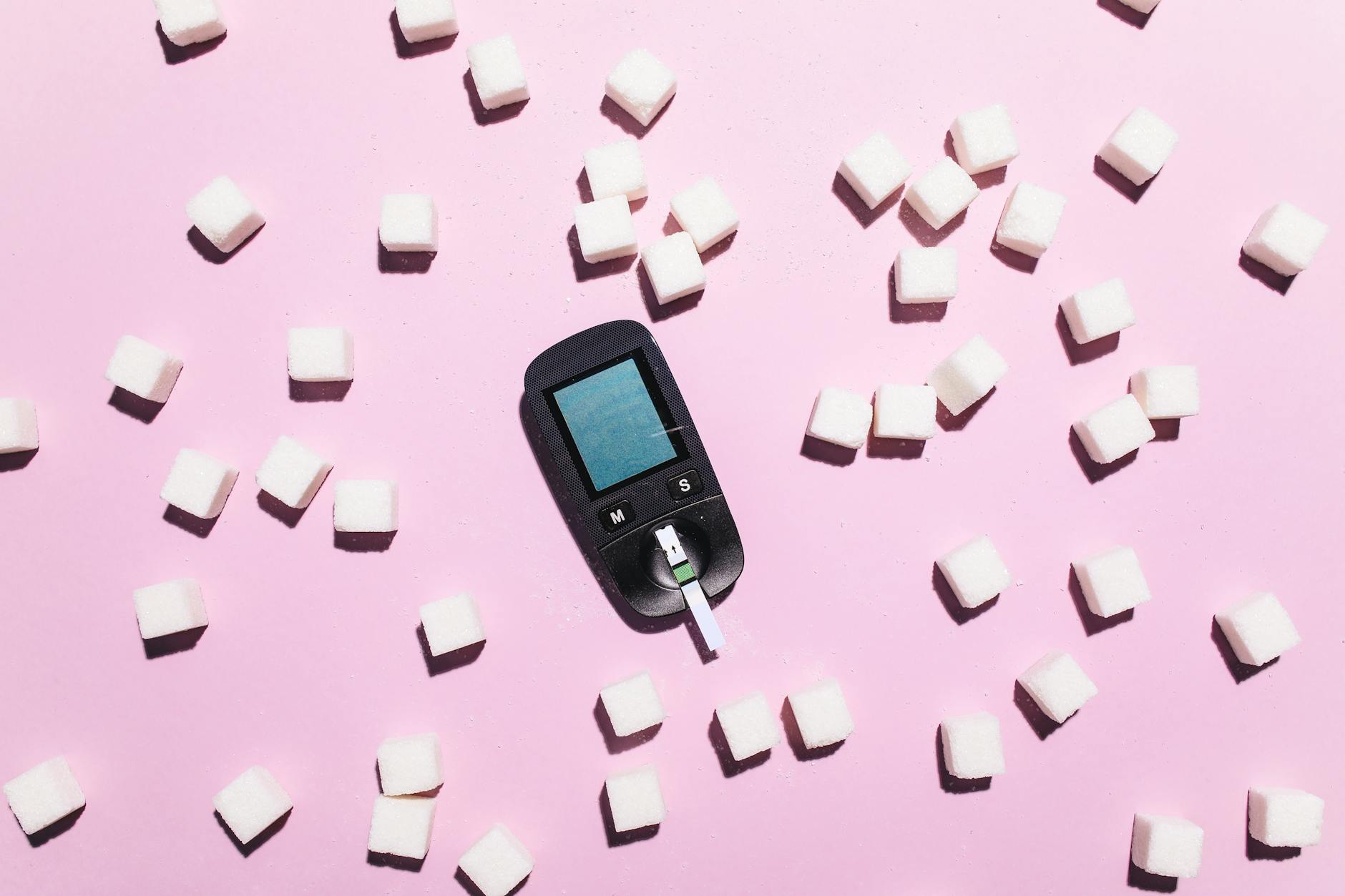
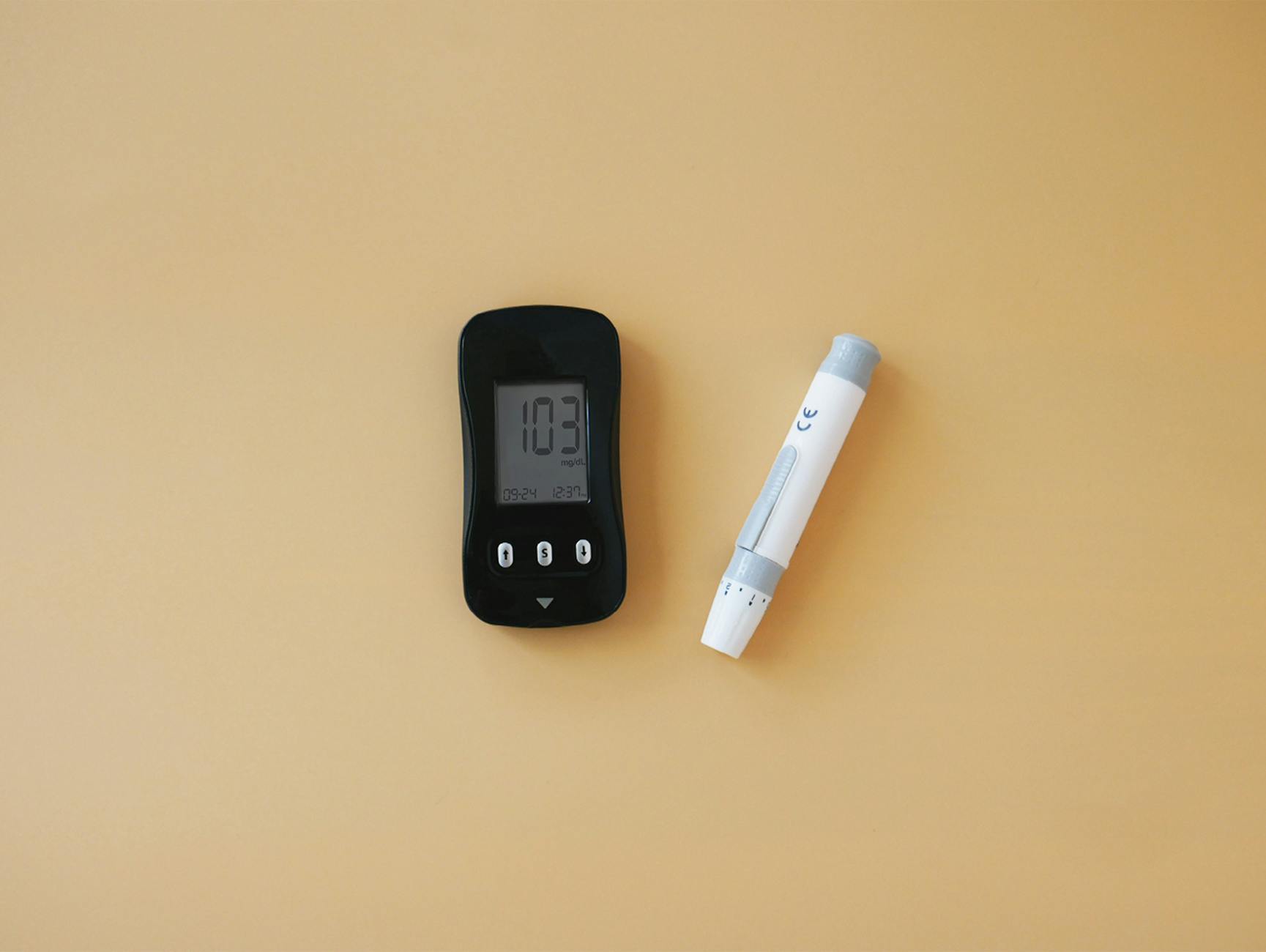
A fasting glucose level between 100 and 125 mg/dL indicates prediabetes, according to the American Diabetes Association. This range — also called impaired fasting glucose — signals that your body is struggling to regulate blood sugar effectively, though levels haven’t yet reached the diabetes threshold.
Glucose testing is one of the most direct ways to detect prediabetes. Understanding the specific thresholds for fasting, post-meal, and oral glucose tolerance test (OGTT) results helps you interpret your lab work and take action early.
Prediabetes Glucose Thresholds: The Complete Picture
Doctors use several types of glucose tests to screen for prediabetes, each measuring blood sugar under different conditions. Here are the established ranges:
| Test Type | Normal | Prediabetes | Diabetes |
|---|---|---|---|
| Fasting Plasma Glucose (FPG) | Below 100 mg/dL | 100 – 125 mg/dL | 126 mg/dL or higher |
| OGTT (2-hour) | Below 140 mg/dL | 140 – 199 mg/dL | 200 mg/dL or higher |
| A1C | Below 5.7% | 5.7% – 6.4% | 6.5% or higher |
| Random Plasma Glucose | Typically below 140 mg/dL | No formal prediabetes range | 200 mg/dL or higher (with symptoms) |
Understanding Fasting Plasma Glucose (FPG)
The fasting plasma glucose test is one of the most commonly used screening tools for prediabetes. You fast for at least eight hours — typically overnight — and then have your blood drawn in the morning.
A fasting glucose of 100-125 mg/dL means your body is not clearing glucose from your bloodstream as efficiently as it should. Your pancreas may be producing enough insulin, but your cells aren’t responding to it properly (insulin resistance), or your pancreas may be starting to fall behind in insulin production.
Key points about fasting glucose testing:
- Only water is allowed during the fasting period — no coffee, tea, or food.
- Medications, poor sleep, and stress can temporarily raise fasting glucose.
- A single high reading should be confirmed with a repeat test on a different day.
- The test is inexpensive and widely available at any lab or doctor’s office.
The Oral Glucose Tolerance Test (OGTT)
The OGTT provides additional information that a fasting glucose test alone cannot capture. It measures how your body handles a standardized glucose load, revealing problems with post-meal blood sugar regulation.
Here’s how the test works:
- You fast overnight for at least eight hours.
- A baseline fasting blood sample is drawn.
- You drink a solution containing 75 grams of glucose.
- Your blood sugar is measured again at the two-hour mark.
A two-hour result between 140 and 199 mg/dL indicates prediabetes (impaired glucose tolerance). This test is particularly valuable because some people have normal fasting glucose but abnormal post-load glucose — a condition that the fasting test alone would miss.
Random Glucose Readings and Prediabetes
A random plasma glucose test measures blood sugar at any time, regardless of when you last ate. There is no formal prediabetes cutoff for random glucose, but readings consistently above 140 mg/dL may indicate a problem and should prompt further testing.
Random glucose testing is most often used in emergency or acute care settings to detect very high blood sugar. For prediabetes screening, fasting glucose, A1C testing, or OGTT are more reliable and recommended by guidelines.
What Your Glucose Numbers Mean in Practical Terms
Lab numbers can feel abstract. Here’s what different glucose ranges tell you about what’s happening in your body:
| Fasting Glucose | What’s Happening | What to Do |
|---|---|---|
| Below 100 mg/dL | Your insulin is working well; glucose is being cleared efficiently | Maintain healthy habits; retest in 3 years |
| 100 – 110 mg/dL | Early insulin resistance; your body is working harder to maintain balance | Focus on diet and exercise; retest in 1 year |
| 111 – 125 mg/dL | More significant insulin resistance; prediabetes is well-established | Start structured lifestyle changes; consider a DPP program |
| 126 mg/dL or higher | Insulin can no longer maintain normal glucose levels | Follow up with your doctor; this may indicate diabetes |
Factors That Can Affect Glucose Test Results
Several factors can temporarily raise or lower your glucose reading, potentially leading to misleading results:
- Stress: Physical illness or emotional stress triggers cortisol and adrenaline release, which raises blood sugar.
- Medications: Corticosteroids, certain diuretics, and some antipsychotics can elevate glucose.
- Poor sleep: Even a single night of poor sleep can increase insulin resistance the next morning.
- Caffeine: Coffee consumed before a fasting test can slightly raise glucose in some people.
- Exercise timing: Intense exercise the night before testing can lower fasting glucose, while exercise during the OGTT can affect results.
Because of these variables, one abnormal reading alone is not enough for a diagnosis. Confirming prediabetes typically requires at least two abnormal results or an abnormal result on two different types of tests.
Getting Tested for Prediabetes
The ADA recommends prediabetes screening for all adults aged 35 and older and for younger adults with a BMI of 25 or higher who have additional risk factors. If your results are normal, repeat testing every three years. If you have prediabetes, test at least annually.
You can get a fasting glucose test at your doctor’s office, a local lab, or through community screening events. Many pharmacies also offer point-of-care glucose testing. For more information about screening options, visit our guide to prediabetes detection.
The Bottom Line
A fasting glucose of 100-125 mg/dL is the primary marker for prediabetes, while an OGTT reading of 140-199 mg/dL at two hours provides additional diagnostic confirmation. These thresholds apply uniformly to all adults. If your glucose falls in the prediabetes range, it means your body’s ability to regulate blood sugar is declining — but early action through diet improvements, increased physical activity, and medical guidance can help bring your levels back to normal. Talk to your doctor about which glucose tests are right for you and how often you should be screened.