Glucose spikes are rapid rises in blood sugar, typically peaking 60 to 90 minutes after a meal. In people without diabetes, normal post-meal glucose stays below 140 mg/dL. Spikes above that threshold, especially when repeated daily, are linked to vascular damage, increased hunger, weight gain, and higher risk of progressing from prediabetes to type 2 diabetes. The good news is that spikes respond well to simple habits like meal ordering, post-meal walking, and swapping refined carbs for fiber-rich alternatives.
What Are Glucose Spikes?
A glucose spike is a rapid rise and fall in blood sugar. The textbook pattern in a healthy adult looks like this:
- Baseline fasting glucose: 70 to 99 mg/dL
- Rise begins 5 to 15 minutes after the first bite
- Peak at 60 to 90 minutes, usually under 140 mg/dL
- Return to baseline within two to three hours
In prediabetes or diabetes, the rise is faster, the peak is higher and later, and the return to baseline takes longer.
Why Glucose Spikes Matter
Short-Term Effects
- Post-meal fatigue and “food coma” as insulin pulls glucose out of the bloodstream
- Rebound hunger 90 to 180 minutes later as glucose drops below baseline
- Mild cognitive dip and difficulty concentrating
- For some people, sweating, anxiety, or trembling (reactive hypoglycemia)
Long-Term Effects
According to the Centers for Disease Control and Prevention, chronic high post-meal glucose contributes to:
- Endothelial dysfunction and accelerated atherosclerosis
- Advanced glycation end-product (AGE) formation, which stiffens arteries
- Oxidative stress and inflammation
- Progression from prediabetes to type 2 diabetes
- Damage to small blood vessels in the eyes, kidneys, and nerves
Normal vs. High Spike Ranges
| Population | Fasting | 1-hour peak | 2-hour |
|---|---|---|---|
| No diabetes | under 100 mg/dL | under 140 mg/dL | under 120 mg/dL |
| Prediabetes | 100 to 125 mg/dL | 140 to 199 mg/dL | 140 to 199 mg/dL |
| Diabetes (ADA target) | 80 to 130 mg/dL | under 180 mg/dL | under 180 mg/dL |
What Causes Big Glucose Spikes?
- Refined carbohydrates: White bread, instant rice, cornflakes, pastries, and sugar-sweetened drinks digest quickly.
- Liquid calories: Juice, soda, and sweet lattes hit the bloodstream within minutes.
- Large portions: Glycemic load scales with carb grams, so double portions often more than double the peak.
- Poor sleep: One bad night can raise the next day’s spikes by 15 to 25 percent.
- Stress and cortisol: Raise baseline glucose and amplify spikes.
- Sedentary behavior: Muscles absorb less glucose when you are still.
- Dawn phenomenon: Morning hormone surge can produce higher breakfast spikes.
- Illness or infection: Inflammatory cytokines raise glucose.
- Certain medications: Steroids, some antipsychotics, and statins can influence glucose.
Seven Evidence-Based Ways to Flatten Glucose Spikes
1. Eat Vegetables and Protein First
Reordering the same meal so that salad and protein come before the starch lowers the post-meal peak by about 37 percent in trials at Weill Cornell.
2. Walk 10 to 15 Minutes After Meals
Light activity within 30 minutes of finishing a meal reduces the peak by 15 to 30 percent. Even standing and doing dishes beats sitting.
3. Add Vinegar or Lemon
One to two tablespoons of apple cider or red wine vinegar in a pre-meal salad lowers the spike by about 20 percent.
4. Swap Refined for Intact Carbs
Replace white rice with lentils, white bread with sourdough or pumpernickel, and instant oatmeal with steel-cut oats.
5. Pair Carbs With Fat and Protein
Apple with almond butter, toast with avocado and eggs, rice with salmon and vegetables. Fat and protein slow gastric emptying.
6. Limit Liquid Sugar
Drink water, unsweetened tea, or coffee. Even “healthy” juices and smoothies can spike sharply.
7. Sleep Seven to Nine Hours
Adequate sleep protects next-day insulin sensitivity. Consistent bedtime matters as much as duration.
How to Track Your Spikes
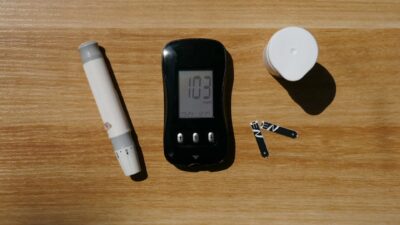
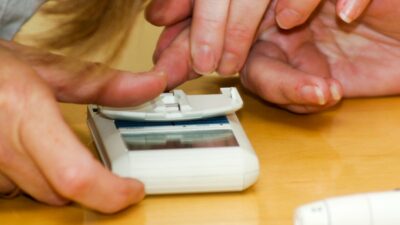
Fingerstick Testing
Check fasting first thing in the morning and one to two hours after the start of the meals you are curious about. Compare with the ADA target table above.
Continuous Glucose Monitoring
A 14-day continuous glucose monitor (CGM) maps every five minutes and reveals patterns you cannot see with spot checks. It is especially useful for spotting dawn phenomenon, overnight dips, and specific trigger foods. Discuss with your clinician whether a CGM fits your plan.
A1C
Your three-month average. Useful for trends but insensitive to daily variability. See our A1C levels guide for interpretation.
Glucose Variability vs. Average
Two people can have the same A1C of 5.8 with very different day-to-day patterns. One might run steadily at 115 mg/dL; another might bounce between 70 and 180. Research suggests the second pattern is worse for vascular health even at identical averages. Minimizing time above 140 mg/dL (called “time above range”) is emerging as a meaningful metric alongside A1C.
When Glucose Spikes Need Medical Attention
Call your clinician if you see:
- Fasting glucose consistently above 126 mg/dL
- Post-meal glucose above 200 mg/dL
- Symptoms of hyperglycemia: frequent urination, excessive thirst, blurred vision, fatigue
- Symptoms of hypoglycemia after meals: shakiness, sweating, confusion 90 to 180 minutes after eating
For a deeper overview of diagnosis and testing, visit our detection of prediabetes hub.
The Bottom Line
Glucose spikes are short, sharp rises in blood sugar that matter even when your A1C looks normal. Repeated daily spikes drive vascular damage, weight gain, and progression to type 2 diabetes. Simple habits (eating vegetables first, walking after meals, replacing refined carbs with legumes, adding vinegar, and sleeping enough) can blunt spikes by 20 to 40 percent and protect long-term metabolic health.
Medical disclaimer: This article is for educational purposes only and is not a substitute for professional medical advice, diagnosis, or treatment. Always consult your physician or qualified healthcare provider with questions about blood sugar management.