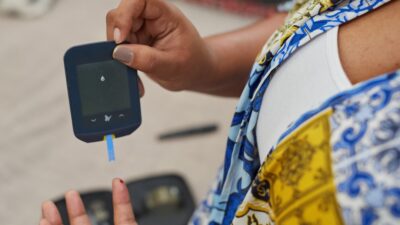
Why is my glucose high in the morning? The most common reason is the dawn phenomenon: a pre-waking surge of cortisol, growth hormone, glucagon, and epinephrine that prompts the liver to release stored glucose, pushing fasting levels up by 10 to 30 mg/dL. Other causes include late or high-carb dinners, the Somogyi effect (rebound from an overnight low), poor sleep, stress, undertreated diabetes, and dehydration. Understanding which applies to you determines the fix.
The Dawn Phenomenon: The Usual Suspect
Between roughly 3 and 8 a.m., the body prepares to wake up by releasing counter-regulatory hormones:
- Cortisol: Peaks around 6 to 8 a.m. and signals the liver to release glucose.
- Growth hormone: Surges during deep sleep and opposes insulin action.
- Glucagon: Triggers glycogen breakdown in the liver.
- Epinephrine: Adds to the glucose-releasing signal.
In people with normal insulin function, a matching insulin rise offsets this surge. In prediabetes or diabetes, insulin production lags, so glucose climbs unopposed. According to the Mayo Clinic, the dawn phenomenon is present to some degree in most people with type 2 diabetes.
The Somogyi Effect (Rebound Hyperglycemia)
Named after Dr. Michael Somogyi, this is when overnight blood sugar drops too low, triggering a release of counter-regulatory hormones that overshoot and leave you high by morning. It is more common in people using insulin or sulfonylureas than in diet-managed prediabetes, but it can still occur if you skip dinner or drink alcohol late.
How to Tell Them Apart
Check your glucose (or review continuous glucose monitor data) at these times for a few nights:
| Bedtime | 2 to 3 a.m. | Fasting (waking) | Likely Cause |
|---|---|---|---|
| Normal (90 to 120) | Normal (90 to 120) | High (130+) | Dawn phenomenon |
| Normal | Low (under 70) | High (130+) | Somogyi effect |
| High (140+) | High (140+) | High (140+) | Late dinner, undertreatment |
| Normal | Rising steadily | High | Dawn phenomenon (typical) |
Other Reasons Your Glucose Is High in the Morning
Late or High-Carb Dinners
Food eaten within two to three hours of bed is still digesting when your dawn hormones kick in, stacking both sources of glucose into one high reading. Heavy fats can further delay absorption, producing a peak in the middle of the night.
Poor Sleep
One night of under six hours of sleep reduces insulin sensitivity by up to 30 percent the next day, with fasting glucose often 10 to 20 mg/dL higher. Sleep apnea is a particularly common and undertreated driver of morning highs.
Stress and Cortisol
Chronic stress, work anxiety, and even anticipation of a busy day amplify the morning cortisol peak and push fasting glucose higher.
Dehydration
Overnight water loss concentrates blood glucose. A simple glass of water on waking can lower a morning reading by 5 to 10 mg/dL in people who sleep with low ambient humidity or who mouth-breathe.
Alcohol the Night Before
Alcohol initially lowers blood glucose (the liver prioritizes clearing ethanol), then often produces a rebound high by morning. Sugary mixers compound the effect.
Illness, Infection, or Inflammation
Any infection raises glucose through inflammatory cytokines. Even a common cold can push fasting readings 20 to 40 mg/dL higher.
Medications
Prednisone and other corticosteroids, some antipsychotics, and certain antidepressants raise morning glucose. Do not stop prescriptions without talking to your clinician.
Undertreated Diabetes
If you use insulin, glargine, or metformin at bedtime, timing and dose may need adjustment. That is a conversation for your medical team.
What Is Normal vs. High?
| Category | Fasting Glucose |
|---|---|
| Normal | Under 100 mg/dL |
| Prediabetes (impaired fasting glucose) | 100 to 125 mg/dL |
| Diabetes (requires confirmation) | 126 mg/dL or higher |
A single high reading is not diagnostic; patterns matter. See our A1C levels guide for how fasting glucose fits with the three-month average.
Practical Fixes That Work
Eat Dinner Earlier
Finish the last meal at least three hours before bed. Trials of time-restricted eating consistently show lower fasting glucose with earlier dinners.
Make Dinner Protein- and Fiber-Forward
A plate with half non-starchy vegetables, a quarter protein, and a quarter whole grains or legumes will produce a gentler overnight curve than pasta and garlic bread.
Walk After Dinner
A 20 to 30 minute evening walk lowers post-dinner glucose and muscle glycogen, which improves insulin sensitivity overnight and reduces morning readings by 10 to 20 mg/dL over weeks.
Protect Your Sleep
Aim for seven to nine hours on a consistent schedule. Screen curfews, cool rooms (65 to 68 F), and no alcohol within three hours of bed all help. Evaluate for sleep apnea if you snore heavily or wake unrefreshed.
Hydrate on Waking
Twelve to 16 oz of water before coffee.
Manage Stress
Five to 10 minutes of breathing exercises, yoga, or a short walk before bed reduces cortisol and supports lower fasting glucose.
Try a Pre-Bed Snack with Protein or Fat
For some people (especially those prone to the Somogyi effect), a small protein-forward snack (a handful of nuts, Greek yogurt, a boiled egg) prevents overnight lows and the rebound they cause.
Talk to Your Clinician About Medications
For people on metformin, extending to an extended-release evening dose often lowers fasting glucose. Those on insulin may need basal dose or timing adjustments.
When to Seek Medical Advice
Contact your clinician if:
- Fasting glucose is consistently above 126 mg/dL
- You experience symptoms like frequent urination, excessive thirst, blurred vision, or unexplained weight loss
- Morning highs do not improve after two to four weeks of lifestyle changes
- You suspect overnight lows (waking sweaty, with a headache, or with vivid dreams)
For more on testing and diagnosis, visit our detection of prediabetes hub.
The Bottom Line
Why is my glucose high in the morning? The dawn phenomenon is the most common cause, often amplified by late dinners, poor sleep, stress, or dehydration. Identifying the pattern (steady rise vs. overnight dip-and-rebound) points to the fix. Earlier dinners, evening walks, good sleep, and morning hydration often lower fasting glucose by 10 to 25 mg/dL within a few weeks. If not, work with your clinician on medication timing and further testing.
Medical disclaimer: This article is for educational purposes only and is not a substitute for professional medical advice, diagnosis, or treatment. Always consult your physician or qualified healthcare provider about any changes to your medications or glucose management.