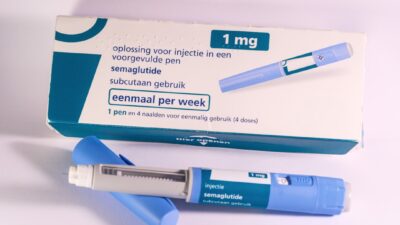
Yes – is Wegovy a GLP-1 has a simple answer: Wegovy is a GLP-1 receptor agonist. Its active ingredient is semaglutide 2.4 mg, injected once weekly. GLP-1 stands for glucagon-like peptide-1, a naturally occurring incretin hormone that helps regulate appetite, glucose, and digestion. Wegovy mimics that hormone.
What GLP-1 Does Naturally
GLP-1 is released by L-cells in your small intestine after eating. It triggers the pancreas to release more insulin when blood sugar rises, suppresses glucagon (a hormone that raises glucose), slows stomach emptying, and signals satiety to the brain. Native GLP-1 breaks down within minutes, which limits its therapeutic use.
Pharmaceutical GLP-1 receptor agonists like semaglutide are engineered to resist that breakdown, giving them a weekly dosing interval. According to FDA prescribing information, Wegovy binds the same GLP-1 receptors as the natural hormone but with much longer activity. For a broader treatment overview, see our treatment hub.
How Wegovy Uses the GLP-1 Pathway
- Appetite reduction: Hypothalamic GLP-1 receptor activation decreases hunger signaling.
- Slower gastric emptying: Prolongs fullness after meals.
- Glucose control: Enhances insulin, suppresses glucagon in a glucose-dependent way.
- Food reward: Reduces “food noise” and craving intensity for many patients.
GLP-1 Drug Class at a Glance
| Drug | Active Ingredient | GLP-1? | Main Indication |
|---|---|---|---|
| Wegovy | Semaglutide 2.4 mg | Yes | Chronic weight management |
| Ozempic | Semaglutide up to 2 mg | Yes | Type 2 diabetes |
| Rybelsus | Oral semaglutide | Yes | Type 2 diabetes |
| Saxenda | Liraglutide | Yes | Chronic weight management |
| Mounjaro / Zepbound | Tirzepatide | Yes (plus GIP) | Diabetes / weight |
| Trulicity | Dulaglutide | Yes | Type 2 diabetes |
Clinical Benefits Rooted in GLP-1 Action
The STEP 1 trial, published in the New England Journal of Medicine, reported about 14.9 percent average weight loss at 68 weeks among adults with obesity without diabetes. The SELECT cardiovascular outcomes trial, also in NEJM, found a reduction in major adverse cardiovascular events among adults with established cardiovascular disease and obesity. These effects flow directly from the GLP-1 mechanism – improved metabolism, reduced caloric intake, and weight loss.
Side Effects Shared by GLP-1 Drugs
Because Wegovy acts on GLP-1 receptors throughout the gut and brain, its side effect profile overlaps with other GLP-1 agents. Most common: nausea, vomiting, diarrhea, constipation, abdominal discomfort. Less common: pancreatitis, gallbladder disease, acute kidney injury from dehydration, and hypoglycemia when combined with insulin or sulfonylureas. Boxed warning: thyroid C-cell tumor risk based on rodent data; contraindicated in people with personal or family history of medullary thyroid cancer or MEN 2. The American Diabetes Association acknowledges these class-level risks in its guidance.
Who Benefits Most
Wegovy is FDA-approved for chronic weight management in adults with obesity, adults with overweight plus a weight-related condition, and adolescents 12 and older who meet specific criteria. People with stronger cardiovascular risk or insulin resistance sometimes see the largest metabolic gains alongside weight loss. If your metabolic risk is earlier, you may not yet need medication – our reversing prediabetes and A1C levels guides outline lifestyle-first options.
Not a Quick Fix
GLP-1 medications work best alongside sustained nutrition and activity changes. Weight regain is common after stopping, because appetite signals return to baseline. Long-term management typically means continued treatment plus lifestyle support, not a short course. Shared decision-making with your clinician covers expected duration, monitoring, and life-stage factors (pregnancy, surgical plans, comorbidities).
The Bottom Line
Is Wegovy a GLP-1? Yes – it is a GLP-1 receptor agonist built on semaglutide, engineered for once-weekly dosing, and approved for chronic weight management. Its benefits (significant weight loss and, in high-risk adults, cardiovascular event reduction) and risks (GI effects, pancreatitis, gallbladder disease, boxed thyroid warning) all trace back to how it activates the GLP-1 system. Work with a clinician to decide whether Wegovy fits your goals, history, and long-term plan.
Medical disclaimer: This content is educational and not a substitute for professional medical advice. Always consult a licensed clinician about prescription medications.