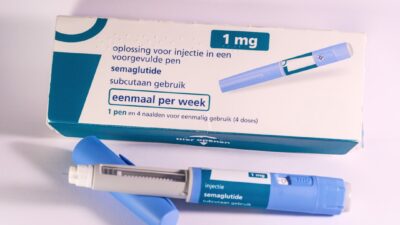
Typical tirzepatide weight loss results 1 month in are modest – often 2 to 6 pounds – because the first four weeks use the 2.5 mg starting dose, which is designed for tolerance rather than therapeutic effect. Pivotal trials like SURMOUNT-1 show that the bulk of weight loss accrues between months 2 and 12 as the dose is titrated upward and appetite suppression stabilizes.
Why Month 1 Is a Tolerance Window
The starting 2.5 mg weekly dose is not intended to drive substantial weight loss. It allows the body to adapt to the slower gastric emptying and appetite signaling caused by dual GIP and GLP-1 receptor activation. According to FDA prescribing information, patients increase to 5 mg in week 5 and then escalate further in 4-week steps based on response and tolerability.
Understanding this helps set realistic expectations. Large headline numbers from trials – “15 to 20 percent weight loss” – reflect averages across 72 weeks, not 30 days. See our treatment hub for broader metabolic context.
What Trial Data Show at 4 Weeks
In SURMOUNT-1, published in the New England Journal of Medicine, participants on the highest tirzepatide dose reached roughly 2 to 4 percent body weight loss by week 4 (averaging a few pounds), with steady accrual through subsequent months. Results were more modest on lower titration doses. The early phase is dominated by appetite changes that have not yet translated into scale numbers for many participants.
Typical First-Month Timeline
| Week | Common Experience | Typical Weight Trend |
|---|---|---|
| 1 | Noticeable appetite reduction, mild nausea | Minimal change |
| 2 | Smaller portions feel satisfying | 0-2 pounds down |
| 3 | Cravings reduced, continued early satiety | 1-4 pounds down |
| 4 | Dose step approaches; appetite patterns set | 2-6 pounds down (varies) |
Non-Scale Signals Worth Tracking
- Reduced “food noise” and fewer between-meal cravings
- Smaller comfortable portion sizes
- Improved morning or post-meal glucose readings
- Clothes fitting differently even when the scale is steady
- Better sleep or energy (for some; not universal)
These indicators predict longer-term success better than the first week’s scale number. For more on glucose monitoring, see our A1C levels guide.
Factors That Shape First-Month Results
Baseline weight: People with higher starting weight often lose more pounds in absolute terms, even if percent change is similar. Diet quality: Nutrient-dense meals with adequate protein protect muscle mass and support steady weight loss. Activity: Regular movement, especially resistance training, helps preserve lean tissue. Sleep and stress: Poor sleep and high cortisol blunt weight loss at any dose. Medications: Some medications (steroids, certain antidepressants) slow loss.
Common Side Effects in the First Month
Expect some nausea, occasional constipation, and possible fatigue. These usually improve within 1 to 2 weeks at a stable dose. Hydration, smaller meals, and avoiding very fatty or very spicy foods help. Severe or persistent abdominal pain, jaundice, or signs of dehydration warrant prompt clinician contact. The American Diabetes Association Standards of Care emphasize individualized titration and side-effect management rather than a fixed timeline.
How to Evaluate Progress
Reassess with your clinician around 3 months, not 1 month. By then you should be at a therapeutic dose with enough data to judge response. Clinicians typically look for at least 5 percent weight loss by 3 to 6 months as a signal that the therapy is working. If progress is slow, options include extending the current dose, escalating further, or adjusting lifestyle factors before changing the medication plan.
When Medication May Not Be the First Step
If your risk is in the prediabetes range rather than established obesity or type 2 diabetes, lifestyle-first approaches often deliver meaningful change. Our prediabetes reversibility guide and diet and nutrition hub cover the evidence-based pillars: nutrition, movement, sleep, stress, and consistent follow-up.
What to Tell Your Clinician
- Your 1-month scale change and any non-scale signals
- Any side effects and their impact on daily life
- Adherence to weekly injections and diet strategy
- Other medications or supplements started or changed
The Bottom Line
Tirzepatide weight loss results at 1 month are typically modest because the starting 2.5 mg dose is a tolerance step, not a therapeutic one. Expect 2 to 6 pounds for many patients, with larger changes accruing over subsequent months as doses titrate up. Use month 1 to confirm tolerance, build sustainable habits, and track non-scale wins. Judge efficacy alongside your clinician closer to the 3-month mark, when dose and data together tell a clearer story.
Medical disclaimer: This article is educational and not a substitute for medical advice. Talk with a qualified clinician before starting or adjusting any medication.