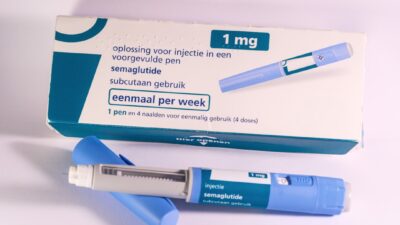
The semaglutide pill is marketed as Rybelsus and is the only FDA-approved oral GLP-1 receptor agonist. It is approved for type 2 diabetes – not for weight loss – and must be taken on an empty stomach under strict conditions to be absorbed effectively. The pill contains semaglutide combined with SNAC, an absorption enhancer that helps the peptide survive the stomach.
What Rybelsus Is
Rybelsus contains the same active ingredient as Ozempic and Wegovy: semaglutide. The difference lies in delivery. Injectable semaglutide is absorbed through subcutaneous tissue and released over the week. Oral semaglutide must cross the stomach lining intact, which is difficult for a peptide. SNAC (sodium N-[8-(2-hydroxybenzoyl) amino]caprylate) raises local pH, briefly protecting the peptide and allowing some absorption through the gastric mucosa. According to FDA prescribing information, Rybelsus is available in 3 mg, 7 mg, and 14 mg strengths.
How the Semaglutide Pill Works
- Activates GLP-1 receptors in the pancreas, gut, and brain
- Enhances glucose-dependent insulin secretion
- Suppresses glucagon after meals
- Slows gastric emptying, prolonging satiety
- Reduces appetite and food-reward signaling
These mechanisms are identical to injectable GLP-1 agonists, but blood levels and peak effects differ because of the absorption route. For broader context, see our treatment hub.
Evidence Base
The PIONEER program tested oral semaglutide across numerous populations. PIONEER-3, published in JAMA, showed greater A1C reductions and weight loss than sitagliptin. PIONEER 6, in NEJM, evaluated cardiovascular outcomes in patients with type 2 diabetes and high cardiovascular risk; findings supported cardiovascular safety. The American Diabetes Association includes oral semaglutide as a recognized option in its Standards of Care for type 2 diabetes when GLP-1 therapy is appropriate.
Dosing Rules That Actually Matter
Rybelsus has unusually strict dosing rules because the absorption window is short. The label directs:
- Take at least 30 minutes before the first food, beverage, or other oral medication of the day.
- Take with no more than 4 ounces of plain water.
- Swallow whole – do not split, crush, or chew.
Missing these rules sharply reduces drug levels and can make the medication seem ineffective. Typical titration starts at 3 mg daily for 30 days (tolerance only), then 7 mg for at least 30 days, then 14 mg if needed.
Titration at a Glance
| Step | Dose | Minimum Duration | Purpose |
|---|---|---|---|
| 1 | 3 mg daily | 30 days | Tolerance introduction |
| 2 | 7 mg daily | 30 days | Initial maintenance |
| 3 | 14 mg daily | Ongoing | Maximum dose |
Side Effects
Gastrointestinal effects are the most common: nausea, diarrhea, vomiting, abdominal pain, constipation, and decreased appetite. Most ease with time at a stable dose. Less common but more serious risks include pancreatitis, gallbladder disease, acute kidney injury (often from dehydration after vomiting or diarrhea), diabetic retinopathy complications, and hypoglycemia when combined with insulin or sulfonylureas. A boxed warning covers thyroid C-cell tumors seen in rodent studies; oral semaglutide is contraindicated in people with a personal or family history of MTC or MEN 2.
Who Might Benefit
Rybelsus is an option for adults with type 2 diabetes who would benefit from a GLP-1 but prefer oral dosing, have needle aversion, or need a non-injectable regimen for lifestyle reasons. It is not approved for weight management. Patients who cannot reliably follow the empty-stomach protocol may be better served by injectable alternatives. For patients earlier in metabolic risk, non-pharmacologic strategies remain first line – see our prediabetes reversibility guide and A1C levels page.
Limitations to Know
- Bioavailability is low; strict dosing rules are non-negotiable.
- Daily dosing requires more adherence than weekly injections.
- Not FDA-approved for weight loss.
- Cost and insurance coverage can vary.
- Contraindicated in the same populations as other GLP-1 agents.
The Bottom Line
The semaglutide pill, Rybelsus, is an FDA-approved once-daily oral GLP-1 receptor agonist for type 2 diabetes. It works through the same biology as injectable semaglutide but depends on strict empty-stomach dosing to be absorbed. Benefits include improved A1C and modest weight changes; risks mirror the injectable class. If you are considering an oral GLP-1, a clinician can determine whether Rybelsus fits your diabetes goals, daily routine, and medical history better than injectable alternatives.
Medical disclaimer: This article is educational and does not replace personalized medical advice. Always consult a qualified clinician about prescription medications.