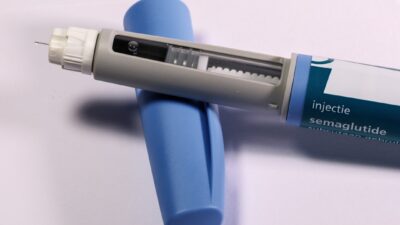
Mounjaro (tirzepatide) is FDA-approved for type 2 diabetes, with weight loss as a significant secondary effect. In SURPASS trials, weight loss averaged 5 to 13 percent of starting weight at 5, 10, and 15 mg over 40 to 52 weeks. Zepbound contains the same molecule and is the FDA-approved label for weight loss in non-diabetic patients (producing 15 to 21 percent loss in SURMOUNT-1). Mounjaro-driven weight loss is front-loaded — half of total loss occurs in the first 6 months — with a plateau at 12 to 18 months. Most loss is regained within a year of stopping.
What the Trial Data Show
| Trial | Population | 5 mg loss | 10 mg loss | 15 mg loss |
|---|---|---|---|---|
| SURPASS-1 (monotherapy) | T2D, drug-naive | 7.0 kg | 7.8 kg | 9.5 kg |
| SURPASS-2 vs semaglutide | T2D on metformin | 7.6 kg | 9.3 kg | 11.2 kg |
| SURPASS-3 vs degludec | T2D on metformin ± SGLT2 | 7.5 kg | 10.7 kg | 12.9 kg |
| SURPASS-4 vs glargine | T2D with CV risk | 7.1 kg | 9.5 kg | 11.7 kg |
| SURPASS-5 add-on to insulin | T2D on basal insulin | 5.4 kg | 7.5 kg | 8.8 kg |
For perspective, a 15 kg loss in a 90 kg starting weight is about 17 percent of body weight. For comparison, the Zepbound-specific SURMOUNT-1 trial (non-diabetic patients) produced 15 to 21 percent loss.
Monthly Weight Loss Trajectory
| Month | Cumulative Loss (10 mg, 200 lb starting weight) |
|---|---|
| 1 | 3–5 lb |
| 2 | 8–13 lb |
| 3 | 12–20 lb |
| 6 | 20–28 lb |
| 9 | 26–36 lb |
| 12 | 30–40 lb |
| 18 | Plateau, minor further loss |
Individual results vary. Some patients see faster loss in month 2 or 3 and slower thereafter; a minority lose less than the mean at every dose.
Mounjaro vs Zepbound: Same Drug, Different Label
- Mounjaro — FDA label: type 2 diabetes; off-label use for weight loss
- Zepbound — FDA label: weight loss (BMI ≥ 30, or BMI ≥ 27 with comorbidity) and obstructive sleep apnea with BMI ≥ 30
- Identical molecule (tirzepatide)
- Identical injection device (pen)
- Identical dose ladder (2.5 → 5 → 7.5 → 10 → 12.5 → 15 mg)
- Different pricing programs and insurance coverage
- Clinicians typically prescribe Mounjaro for type 2 diabetes (insurance covers) and Zepbound for weight-loss-only (Zepbound requires a different prior authorization in most plans)
The Dose Ladder
- Weeks 1–4: 2.5 mg (starter, not weight-loss-effective)
- Weeks 5–8: 5 mg (first labeled maintenance)
- Weeks 9–12: 7.5 mg (if more weight loss or A1C reduction needed)
- Weeks 13–16: 10 mg
- Weeks 17–20: 12.5 mg
- Weeks 21+: 15 mg (maximum)
Each 4-week step is the labeled minimum. Patients with GI side effects can extend any step by 2 to 4 weeks before moving up.
Factors That Predict Better Response
- Higher starting BMI
- Female sex (modest effect)
- Shorter duration of diabetes
- Able to tolerate and reach 10 or 15 mg
- Protein intake 1.2 to 1.6 g per kg body weight
- Resistance training at least 2 sessions per week
- Adequate sleep (6.5+ hours)
- Consistent weekly dosing without gaps
- Reduced-calorie nutrition pattern (500 to 750 kcal daily deficit)
Factors That Blunt Response
- Concurrent glucocorticoid therapy
- Untreated obstructive sleep apnea
- Poorly controlled hypothyroidism
- High alcohol intake
- Chronic stress or undertreated depression
- Shift work or chronically disrupted sleep
- Very low activity (< 3,000 steps per day)
- Dose escalation stopped early because of side effects
Side Effects During Weight Loss
- Nausea — 20–30%, peaks in first 2 weeks of each new dose
- Diarrhea — 15–20%
- Constipation — 10–15%
- Vomiting — 8–12%
- Decreased appetite — 10–15% (usually considered desirable)
- Injection-site reaction — 3–5%
- Rare: pancreatitis, gallbladder events, hypoglycemia if on insulin or sulfonylurea
Maintenance Strategy After the Plateau
- Continue at the dose you plateaued on — the drug is now maintaining, not losing
- Review body composition — DXA or BIA can show if further fat loss is still occurring even as the scale is flat
- Protein intake: 1.2 to 1.6 g per kg
- Resistance training: 2 to 3 sessions per week
- Sleep: 7+ hours
- Revisit goals — clinically meaningful benefit often tops out at 10 to 15 percent loss
- Plan the long arc — if you stop the drug, plan to keep the habits to reduce regain
Related Reading
See our guides on treatment options, prediabetes reversibility, and nutrition on GLP-1.
The Bottom Line
Weight loss on Mounjaro averages 5 to 13 percent of starting body weight over 40 to 52 weeks in type 2 diabetes patients, with half of that loss occurring in the first 6 months. Reaching the 10 or 15 mg dose produces the largest effect. Response varies with BMI, diabetes duration, sex, adherence, and lifestyle support. For weight loss without diabetes, Zepbound — the same molecule, FDA-labeled for weight loss — typically produces a larger 15 to 21 percent loss. Plan on continued therapy to maintain results; stopping generally reverses 50 to 70 percent of the loss within 12 months.